Dispatches
Popper won’t save ufology from itself
A philosophy blog asks whether falsifiability can rescue UFO research, and the record says it hasn’t yet.


A philosophy blog asks whether falsifiability can rescue UFO research, and the record says it hasn’t yet.

A UFO researcher’s 700-case tally says more about testimony collection than about aliens or God.
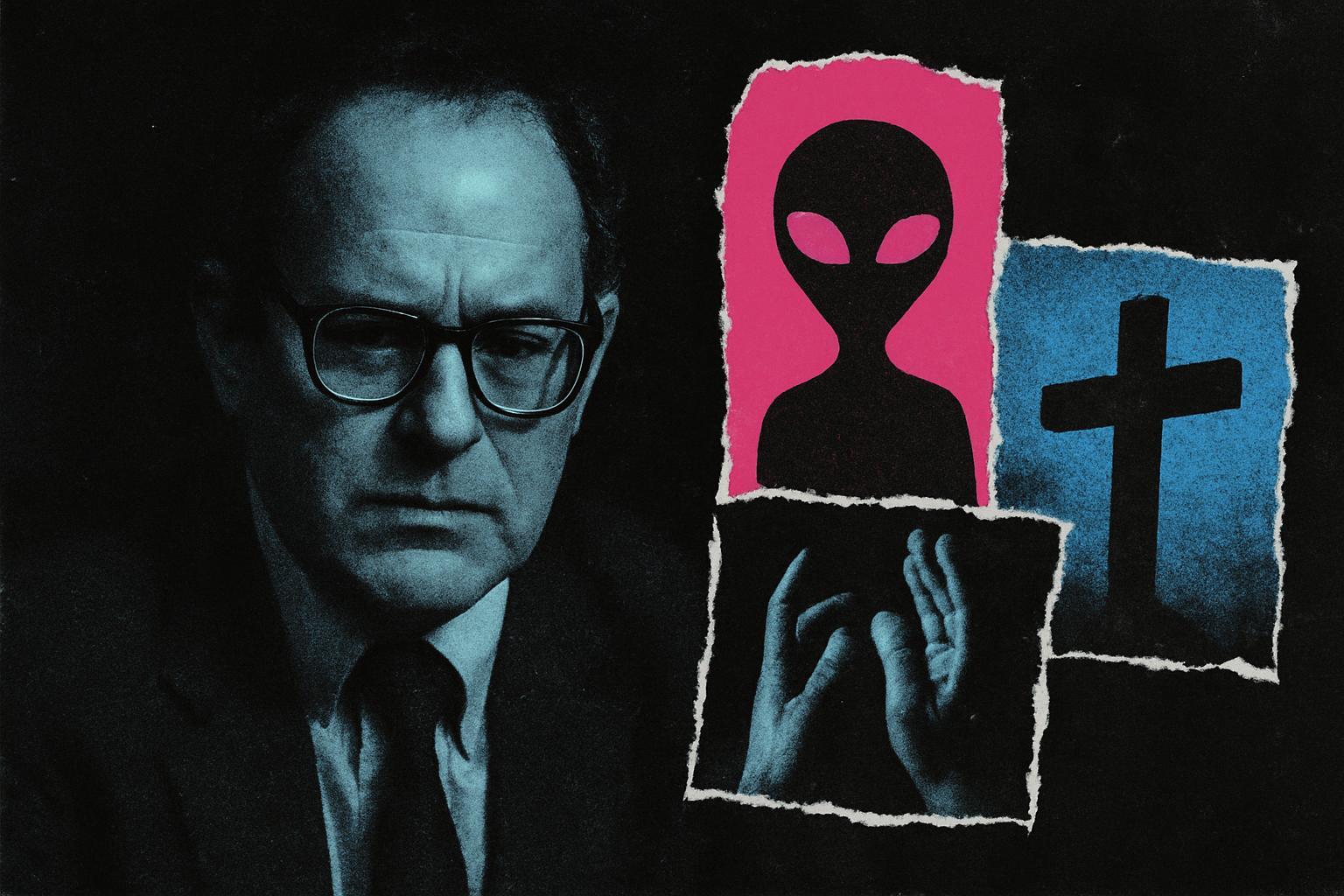
A 700-case abduction tally gets reframed as proof of God, but the dataset is still just memory.

A third-century scrap bought from a Geneva foundation in 2007 turns out to be exactly what the catalogue says it is.
A Christian UFO investigator says three decades of alleged abduction reports strengthened his faith; the sample and the framing deserve more scrutiny than that.
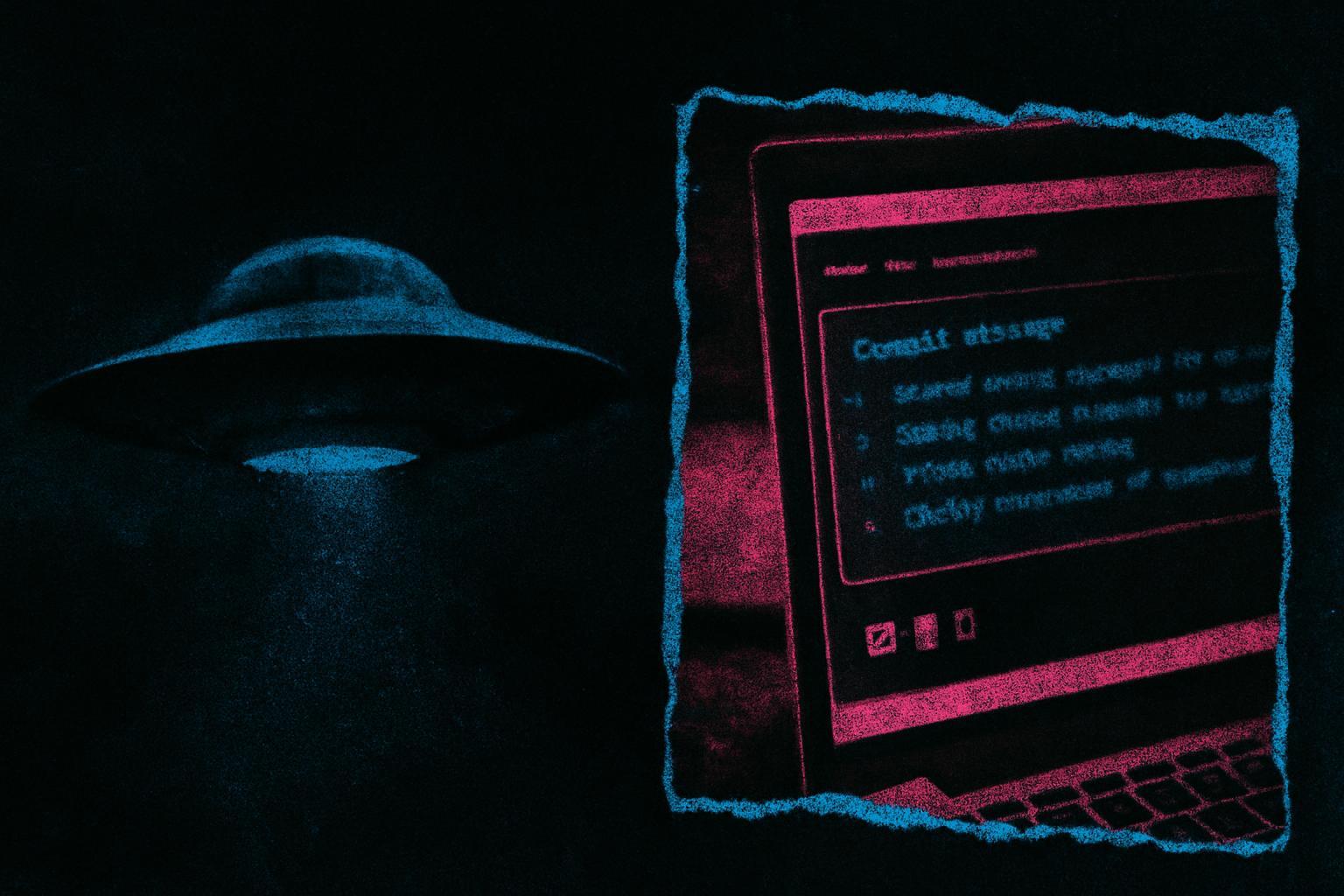
A PyPI package called ufo-tdkit-report writes commit messages for font design projects; it has nothing to do with unidentified anything.

A TV deal for a UAP official’s memoir gets billed as disclosure; it is a rights acquisition.

A screenwriting hire is being sold as vindication; it’s a book option, nothing more.
A PyPI update called ufo-spacing-lib has nothing to do with unidentified aerial phenomena and everything to do with font margins.
A PyPI package update about font hinting gets filed under our beat purely on acronym collision.
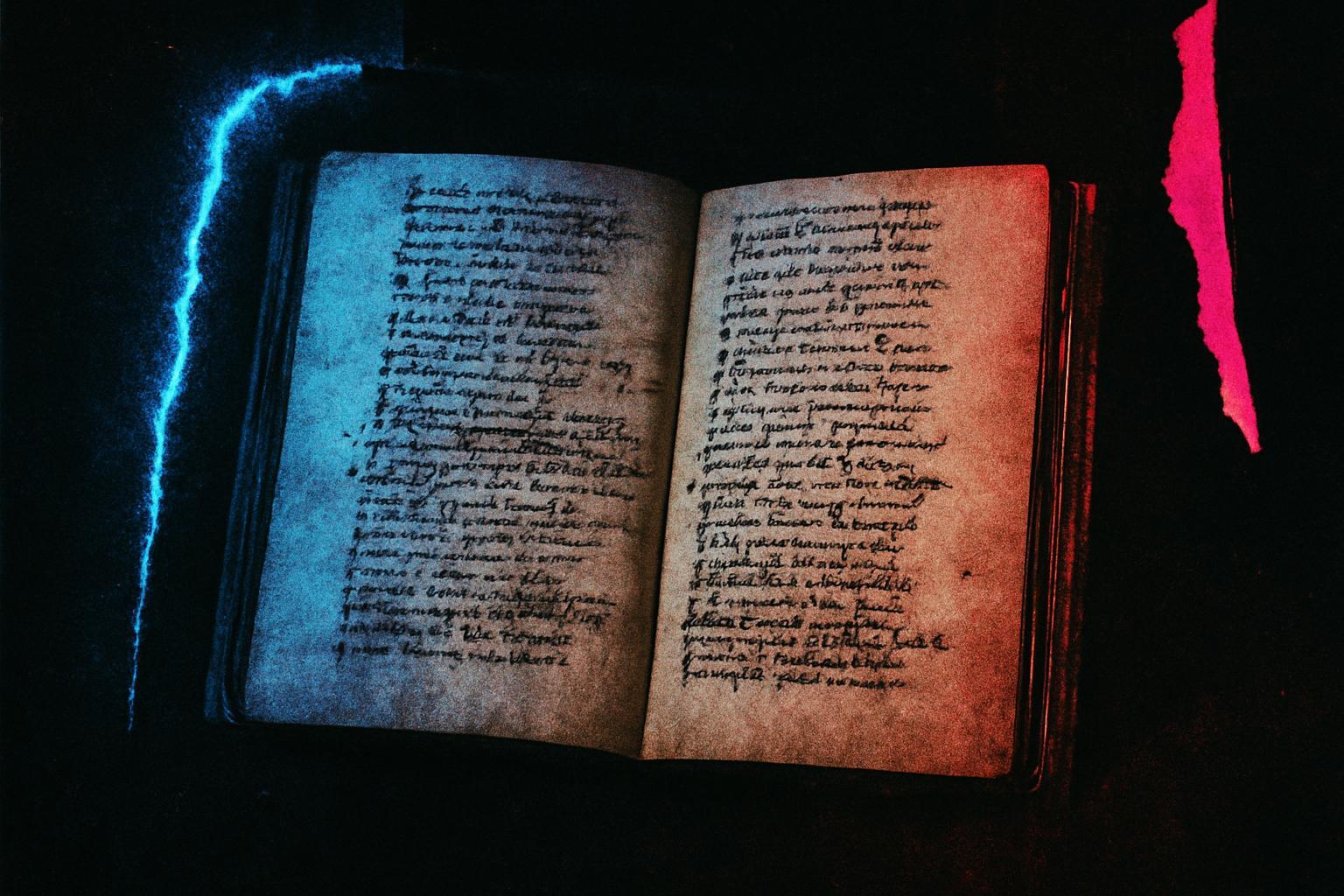
The Vatican holds the poet’s working manuscript, corrections and all, and it checks out.
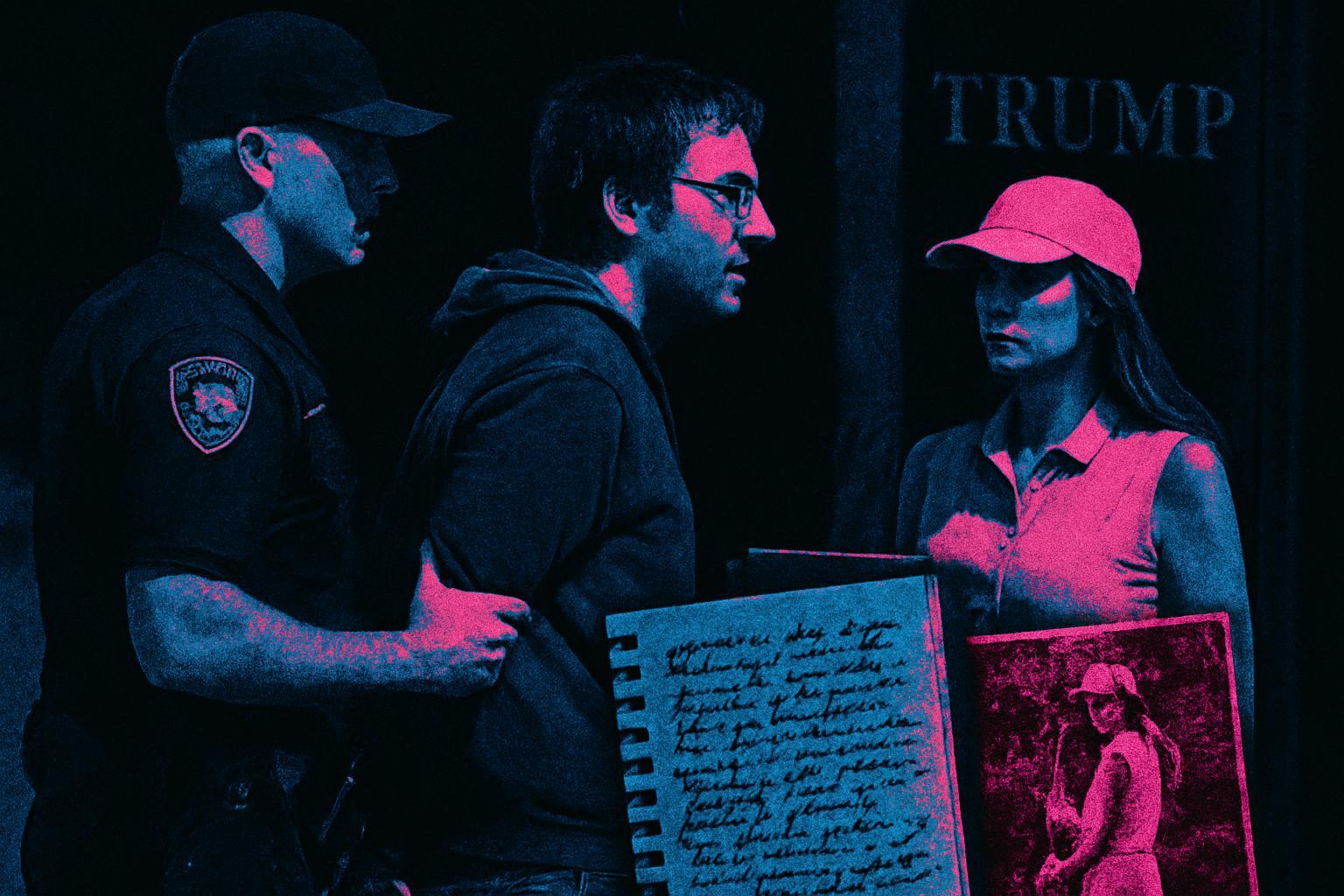
A stalker’s notebooks near the first lady’s golf outing make for a chilling headline, but the sourcing behind the scarier details is secondary and unconfirmed.

Choose Your Own Adventure reprints its 1982 alien-ship gamebook; nobody involved claims it happened.
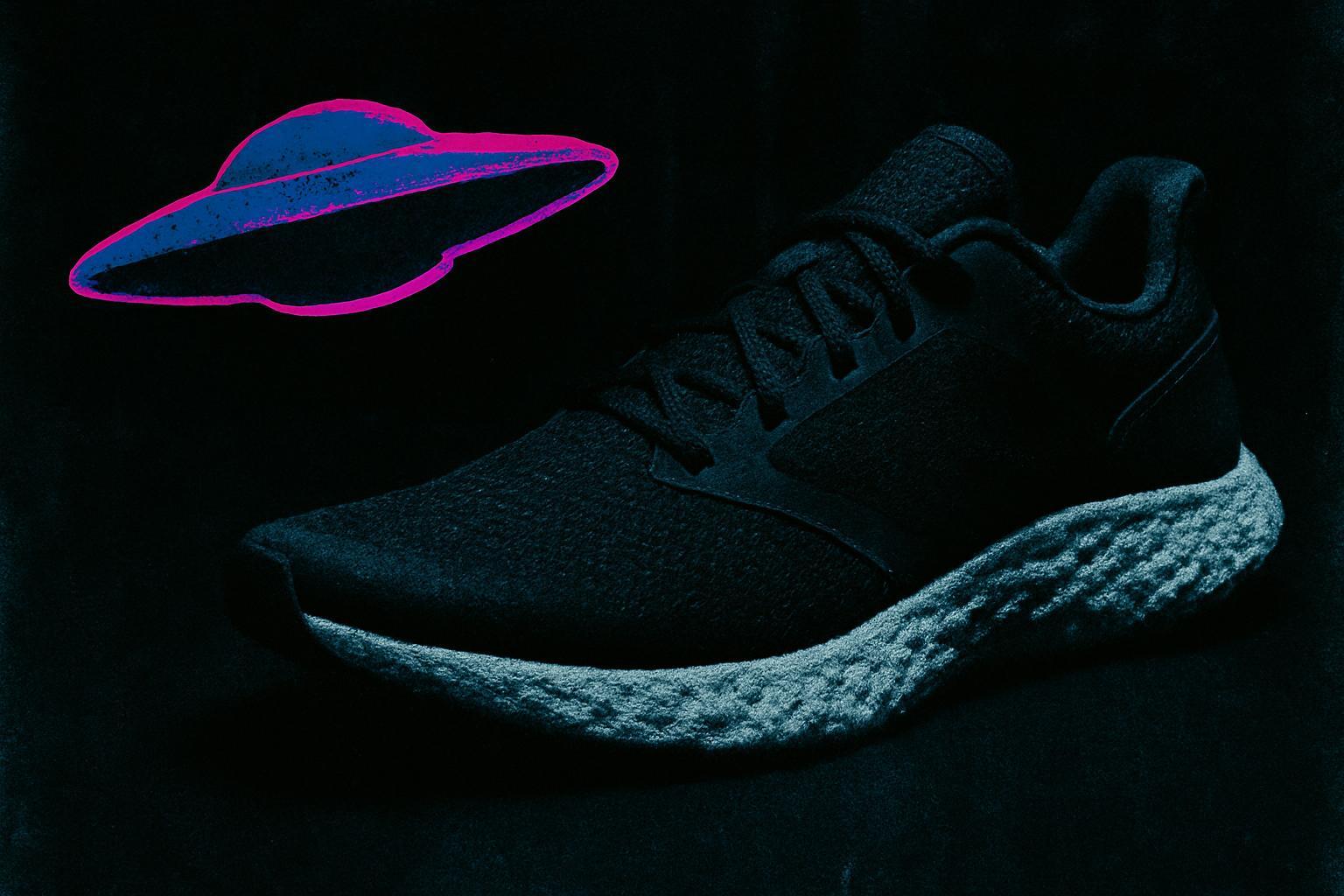
Blessthisstuff hypes a trainer called UFO; no tic-tac shapes, no gimbal footage, just foam and marketing.
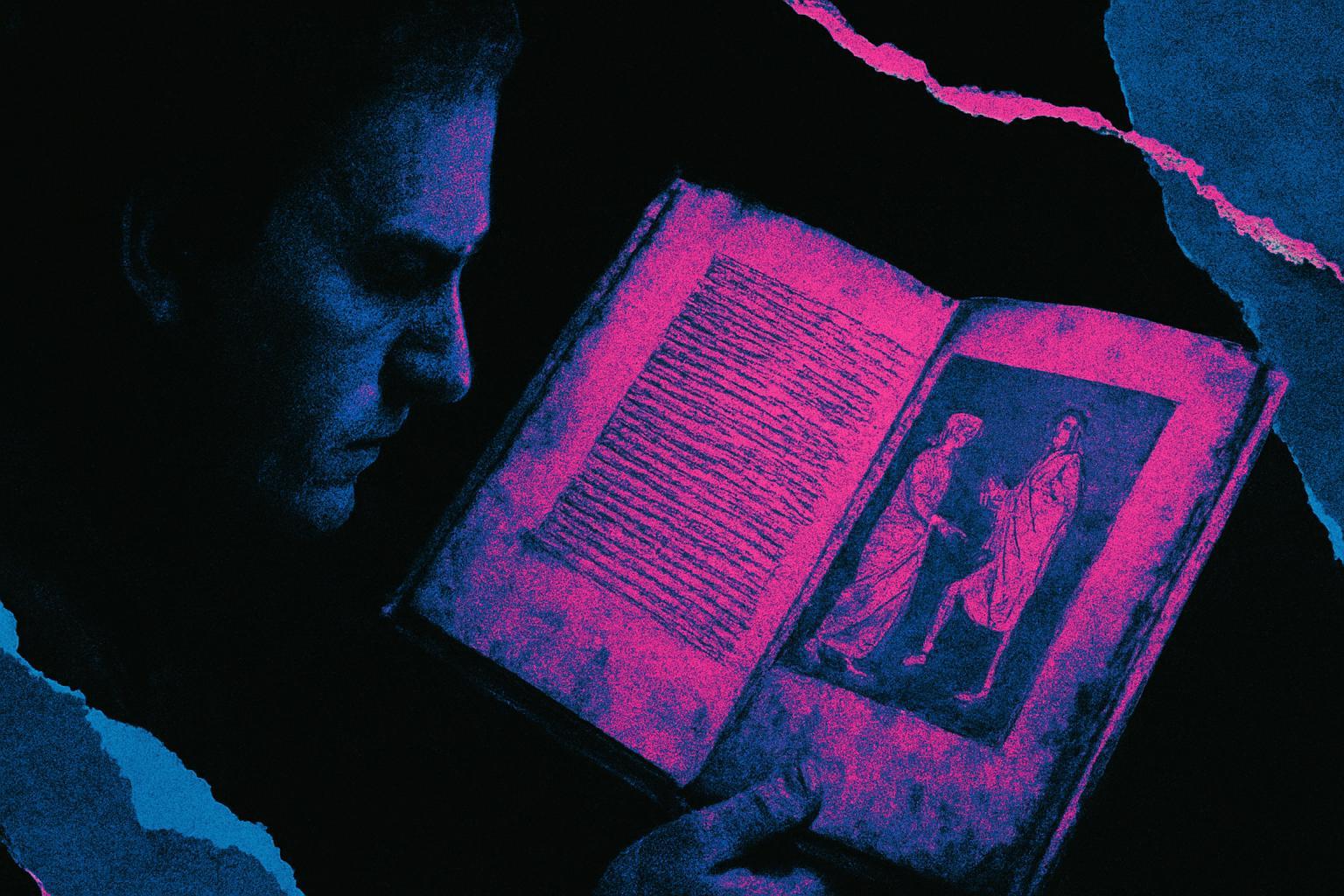
Vat.lat.3225, a purple-tinged copy of the Aeneid from around 400 AD, checks out as one of only three illustrated manuscripts of classical literature to survive antiquity.
One outlet’s claim that Australians are suddenly Googling Polari rests on vibes, not verifiable data.
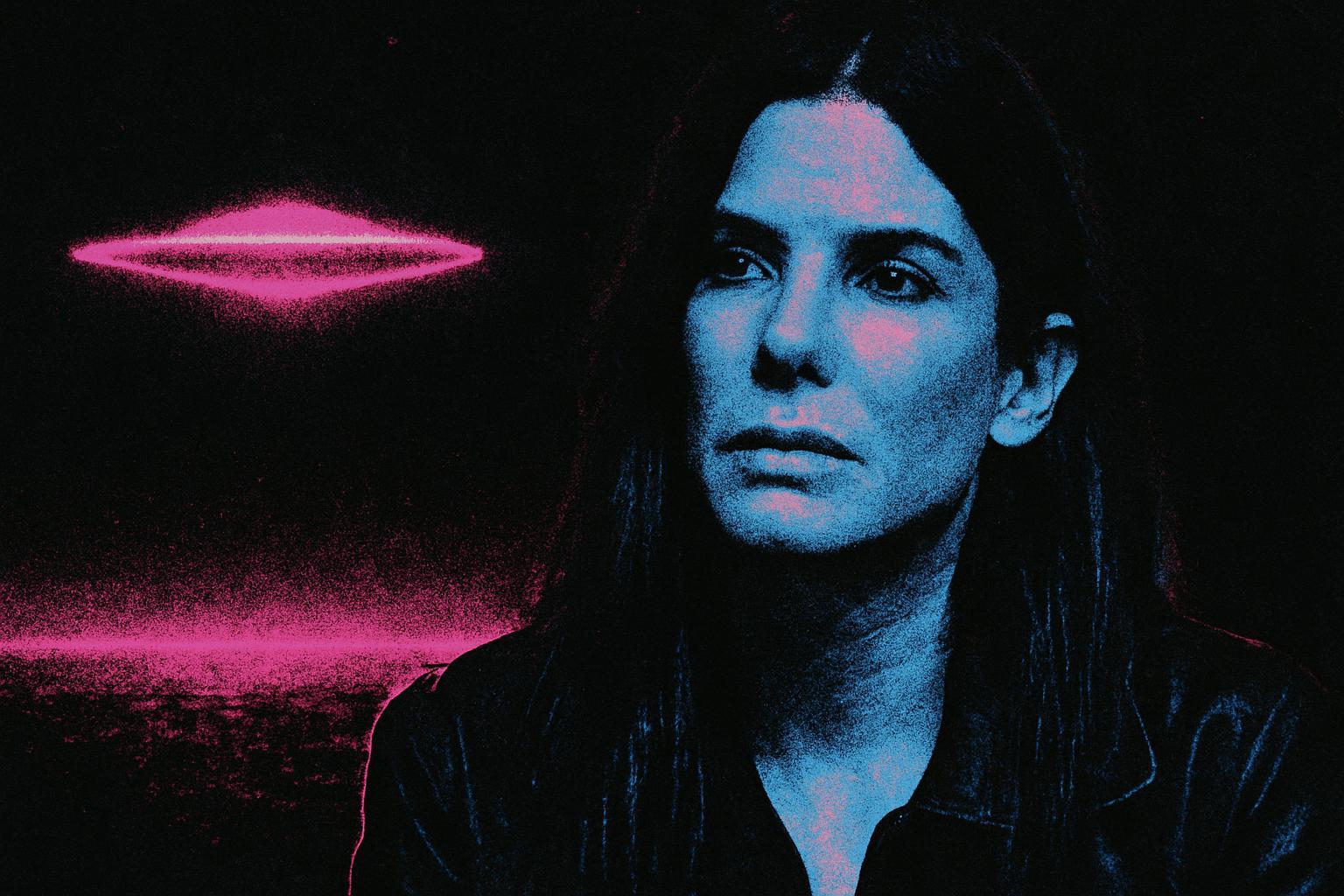
An actress says she watched unidentified craft over the Caribbean; the record shows no radar track, no photo, and no date.

Casa Bola is a curved concrete house, not evidence of anything extraterrestrial.

A whistleblower warns of a coming UFO religion, but the whole tale traces back to the outlet that first reported it.
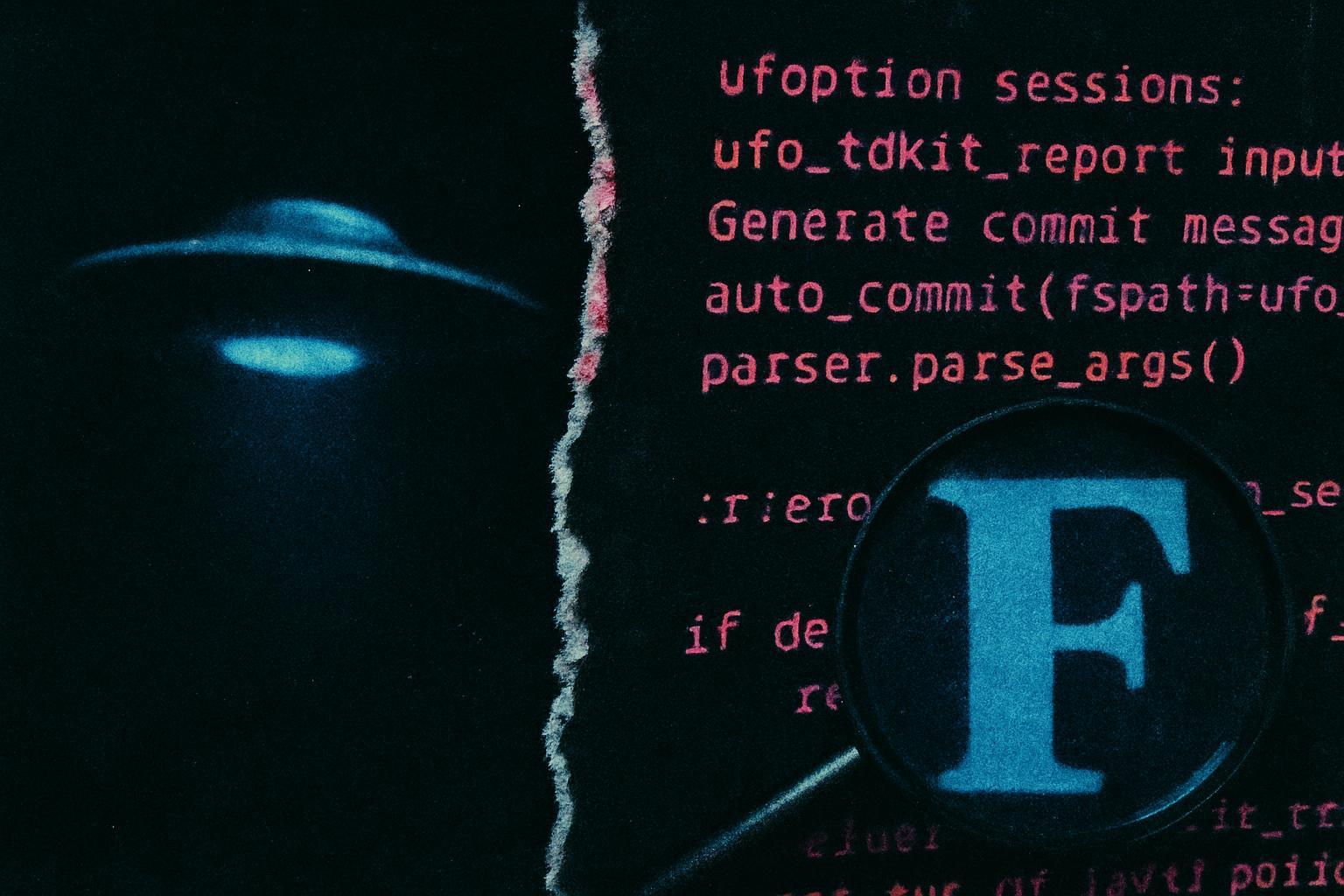
A new Python tool automates commit messages for UFO font files; no extraterrestrial content detected.
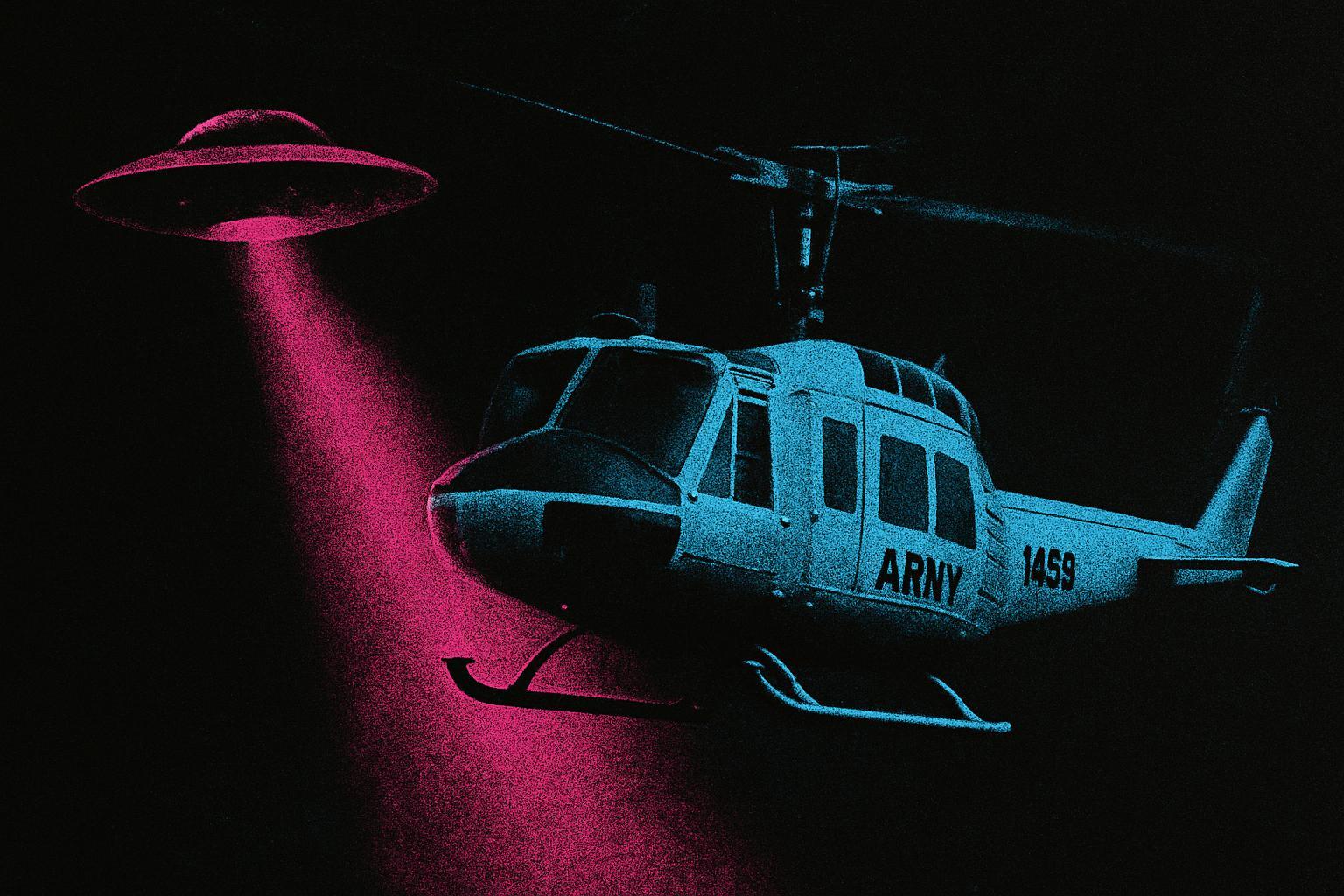
A 1973 near-miss over Ohio still gets billed as proof of alien intervention; the record says something duller.

The Vatican Library’s Codex Vaticanus is exactly what the catalogue says it is: a fourth-century Greek Bible, and one of the oldest surviving near-complete copies of both the Septuagint and the New Testament.
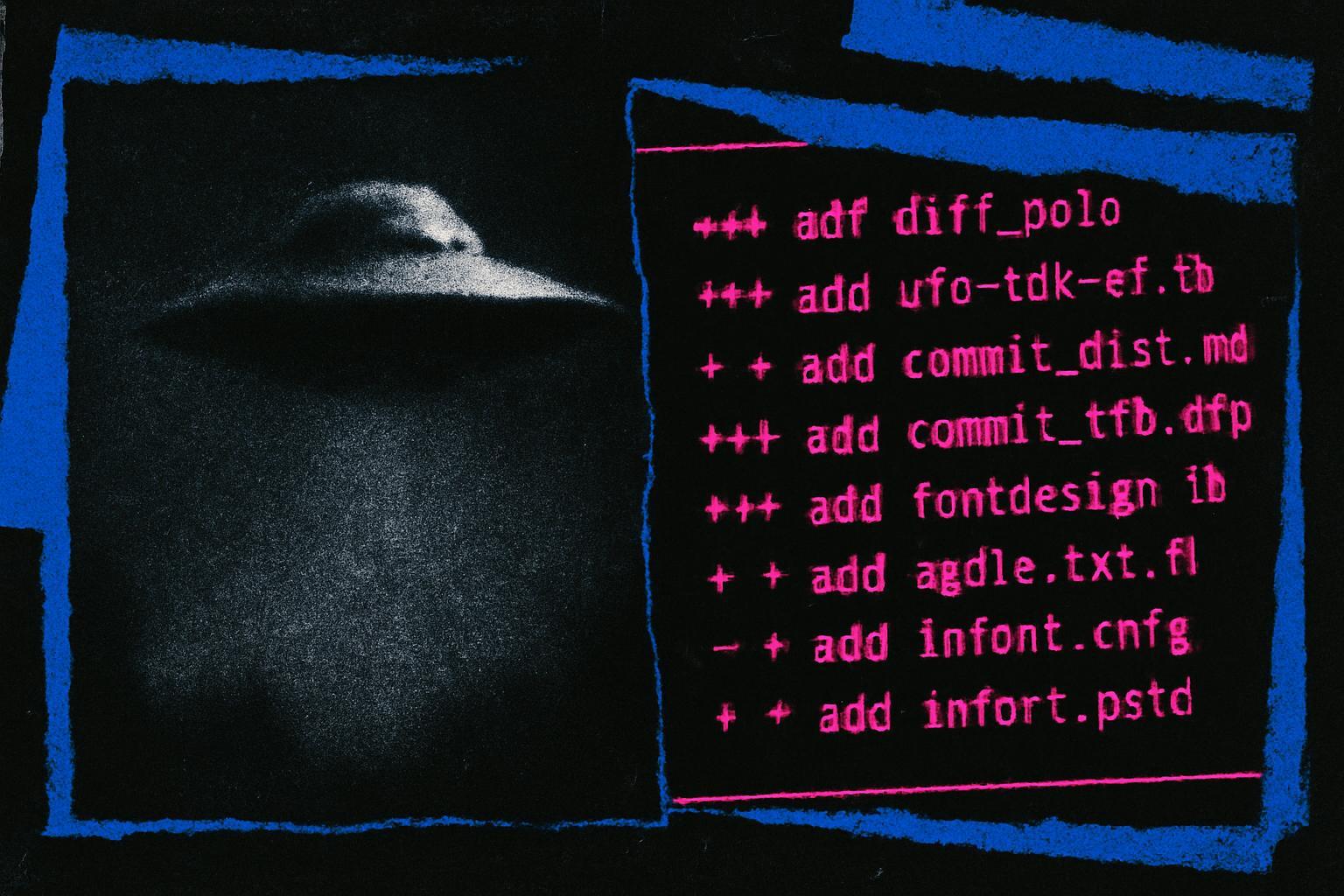
A PyPI package called ufo-tdkit-report writes commit messages for font design files; no aliens involved, sadly.

A Spanish tennis outlet calls a straight-sets win extraterrestrial; the sighting is entirely metaphorical.

A talk-show host cites 1,800 reports; the Pentagon’s own numbers tell a duller story.