The Dig · Vatican
Vatican’s P75 papyrus holds up as an early Gospel witness
A third-century scrap bought from a Geneva foundation in 2007 turns out to be exactly what the catalogue says it is.
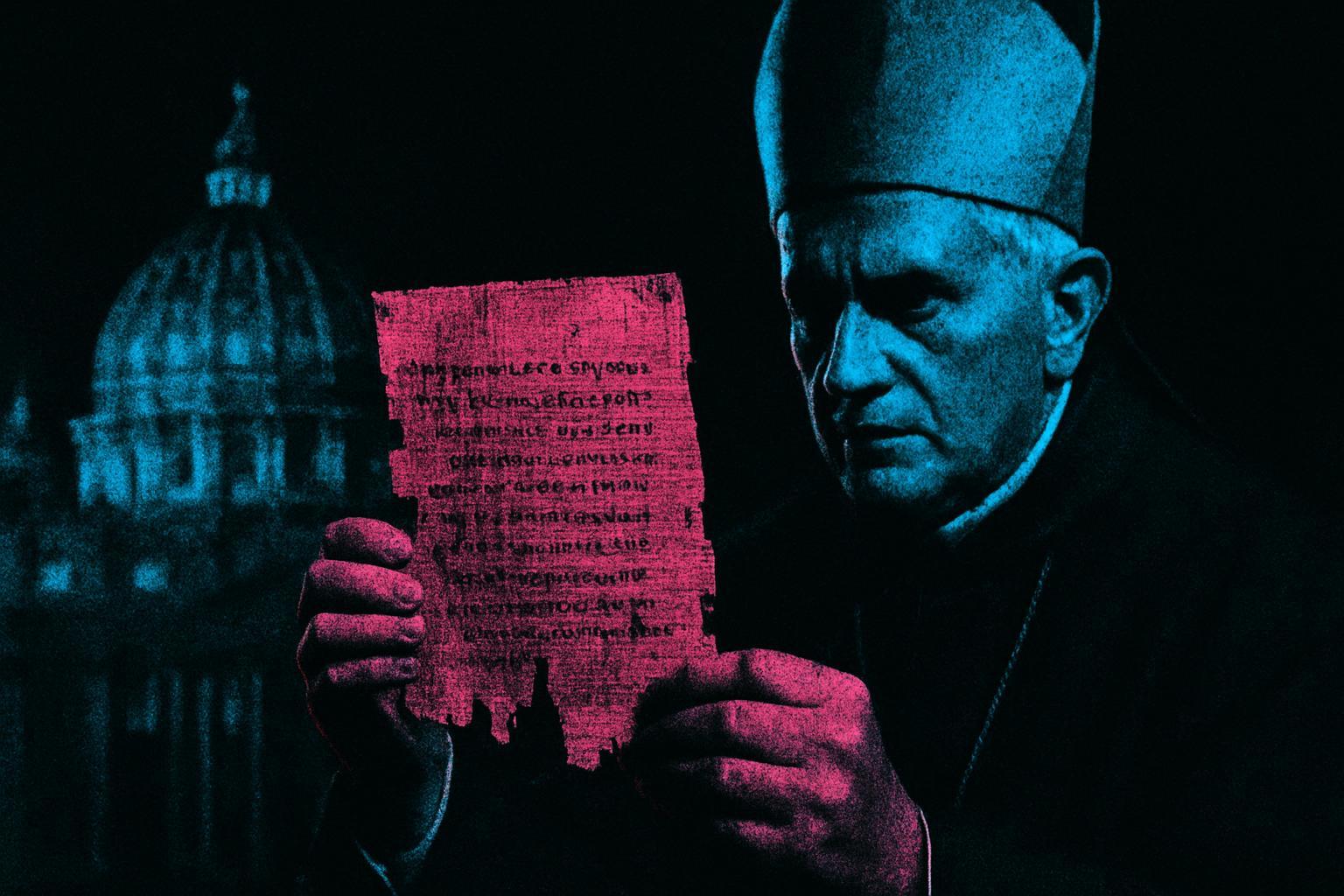
The object is real and it is old. Hanna Papyrus 1, known to scholars as P75, is a Greek papyrus codex containing most of Luke and John. Paleographers place it between roughly 175 and 225 AD, which makes it one of the earliest substantial New Testament manuscripts anywhere. It sat in the Bodmer Library in Geneva for decades before the Vatican bought it in 2007 and rehoused it in the Biblioteca Apostolica Vaticana.
The interesting bit is not the purchase price. It is the text. P75 tracks Codex Vaticanus, the great fourth-century Bible, with unusual fidelity. That closeness matters because critics used to argue the so-called Alexandrian text type was a later, tidied-up recension invented by fourth-century editors. A manuscript two centuries older than Vaticanus, agreeing with it line by line in long stretches, makes that argument much harder to run.
We checked the provenance chain: Bodmer acquisition records, Vatican accession notes, and the published collation work that scholars have been doing on P75 since the 1960s under its earlier Bodmer designation. Nothing in the chain smells wrong. No missing decades, no dealer with a habit of forging demand. Short version: old find, old manuscript, boring paperwork.
This is diamond-grade because the claim is narrow and the evidence is physical. Nobody here is arguing the Gospels are true. The finding is that a specific, datable copy of two Gospel texts existed by the early third century and reads much like the fourth-century standard. That is a fact about transmission, not a verdict on theology, and it survives contact with hostile reviewers.
Source: The Dig / the Vatican archive source