Dispatches
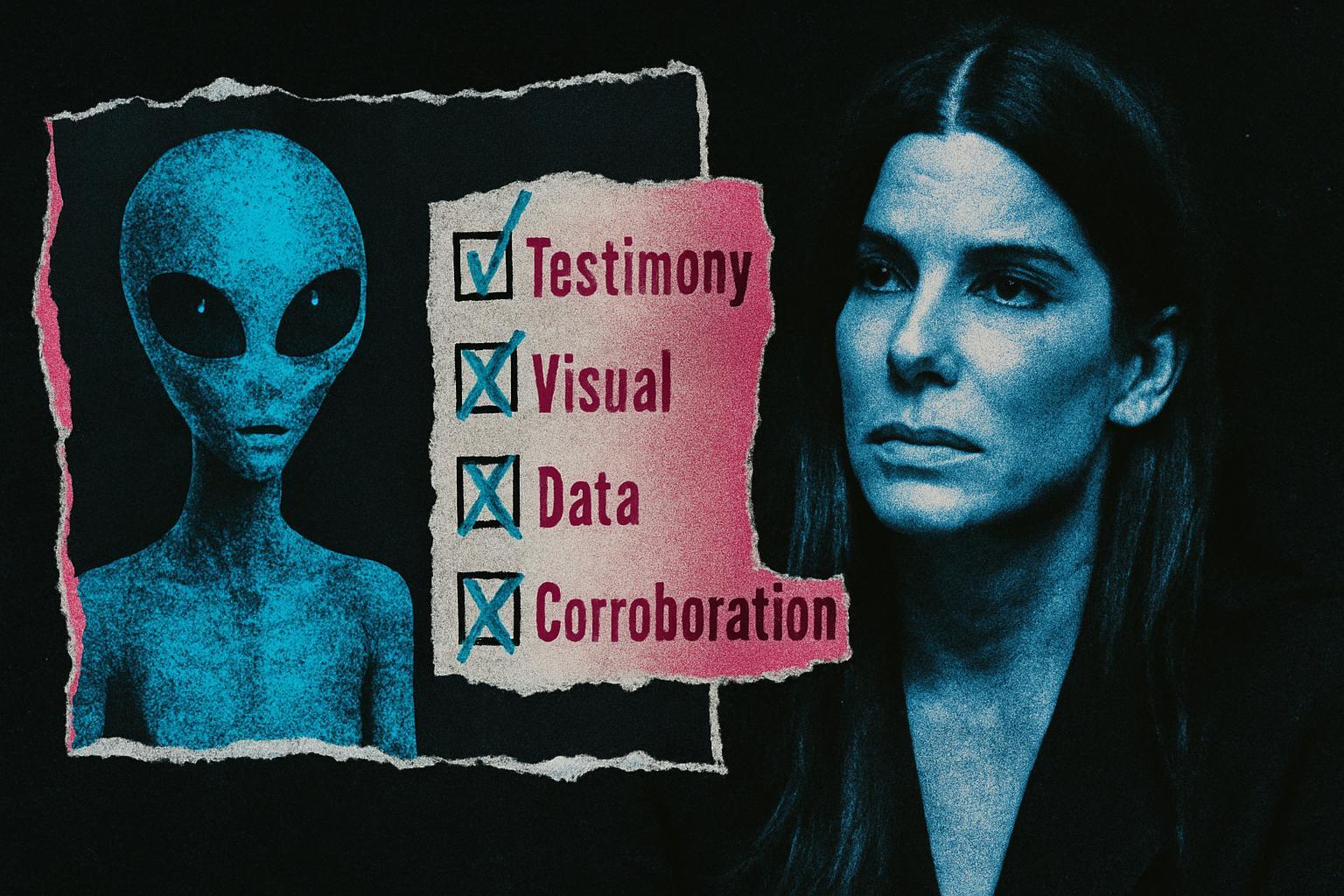
Sandra Bullock’s alien story is testimony, not evidence
A press-junket anecdote about laughing invisible aliens gets graded against what actually counts as a UAP report.


A press-junket anecdote about laughing invisible aliens gets graded against what actually counts as a UAP report.
A PyPI package called ufo-tdkit-report has nothing to do with unidentified craft and everything to do with typeface metadata.
An Indian astronaut’s panel-based habitat concept gets dressed up as an extraterrestrial breakthrough; it is design theory, not a base.
A radio double bill mixes supplement advice with Kevin Randle’s decades of ufology, offering little new on either front.
Space Daily’s roundup of Mars, K2-18b and UAP evidence reads more like a catalogue of near-misses than a case for contact.
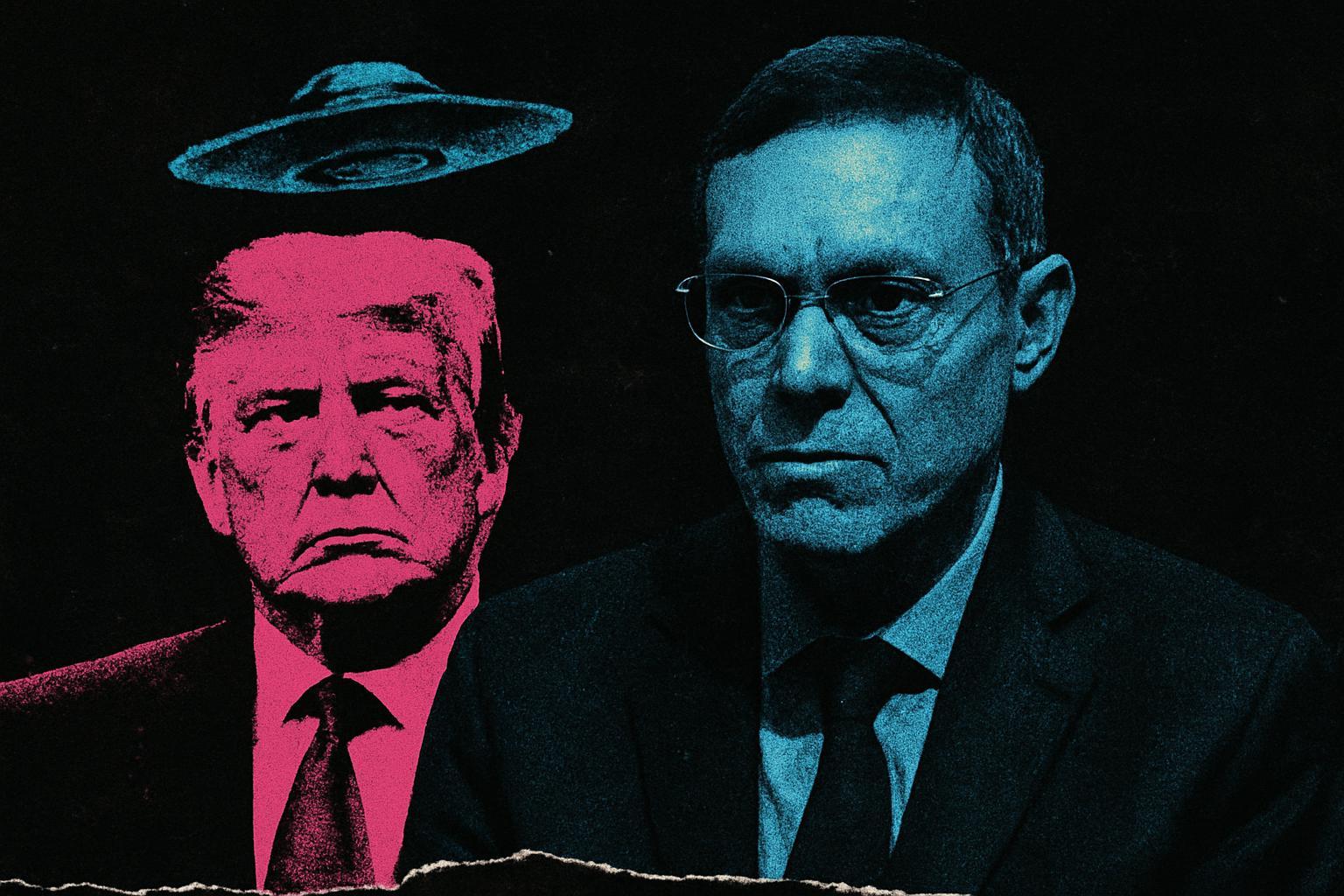
Avi Loeb muses on alien indifference to politics; the outlet upgrades him to a presidential appointee with no record to show it.
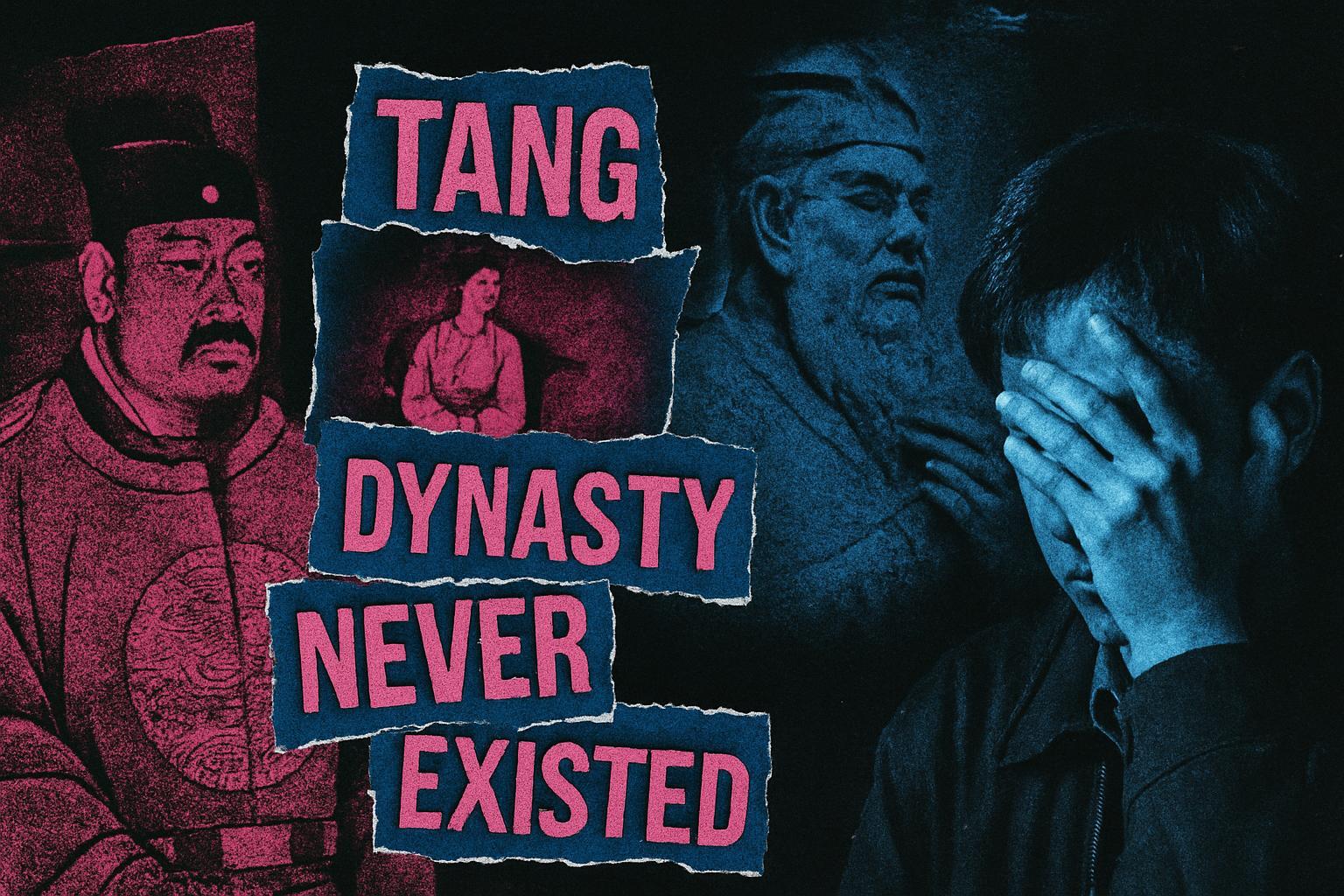
A viral claim that the Tang dynasty never happened borrows its whole playbook from a 1990s European hoax, and Beijing’s censorship reflex is being sold as proof rather than routine.
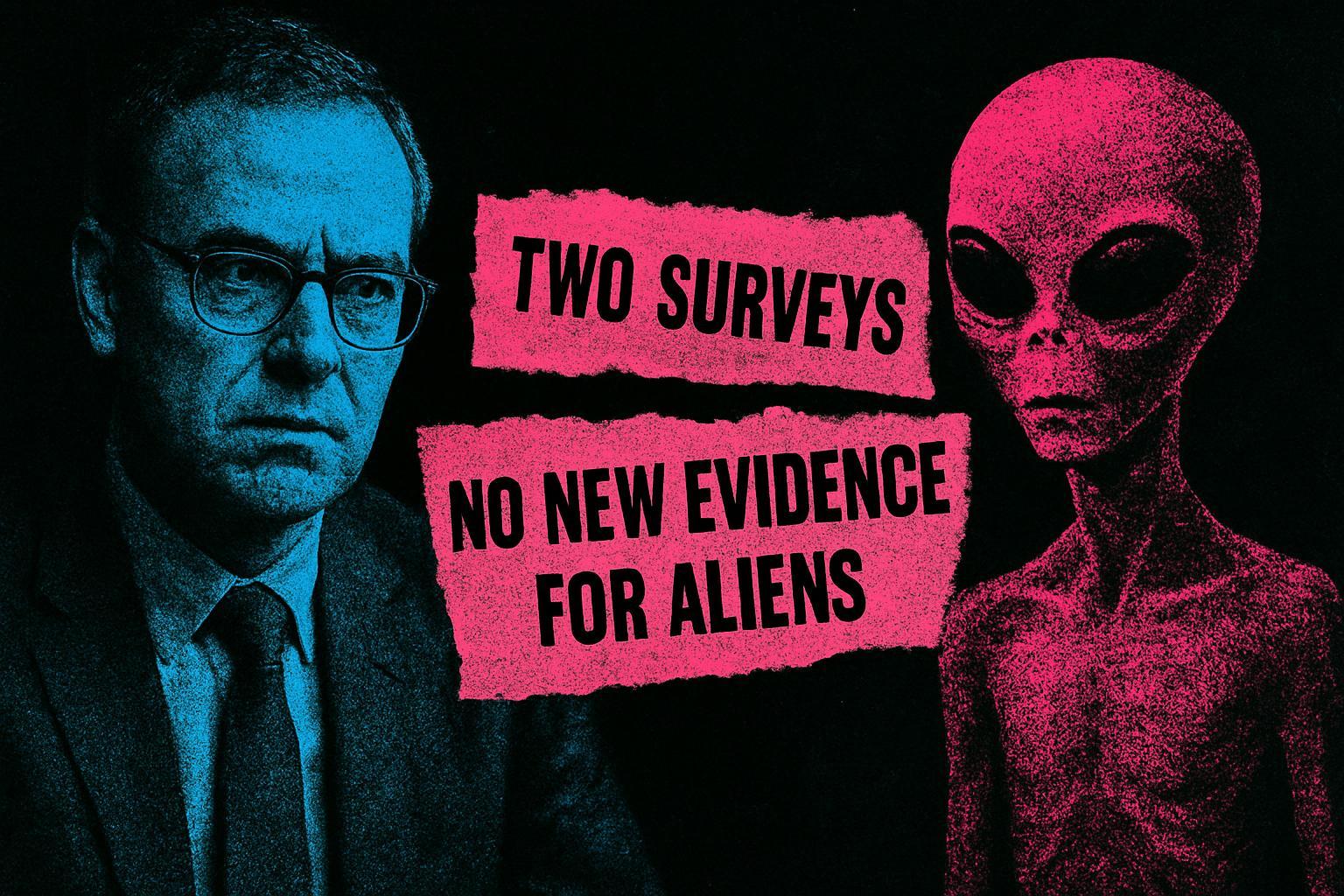
A gap between expert caution and online enthusiasm says more about sampling methods than about extraterrestrial life.
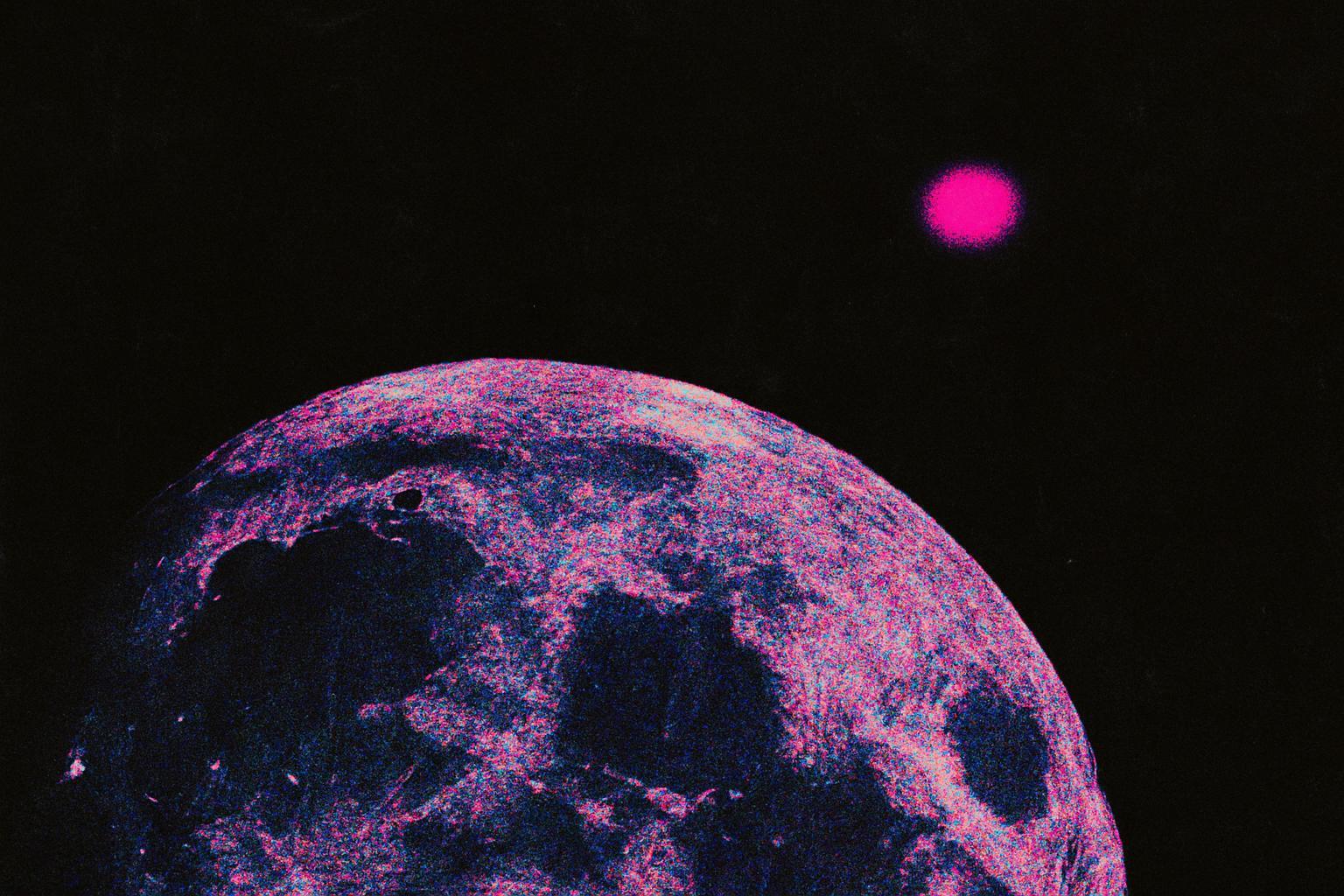
A smudge above the lunar surface has been promoted from pixel to proof, with no source image, no coordinates, and no scientist willing to put their name to it.
A Kontakt instrument called UFO Tone is 40% off; that is the entire disclosure.
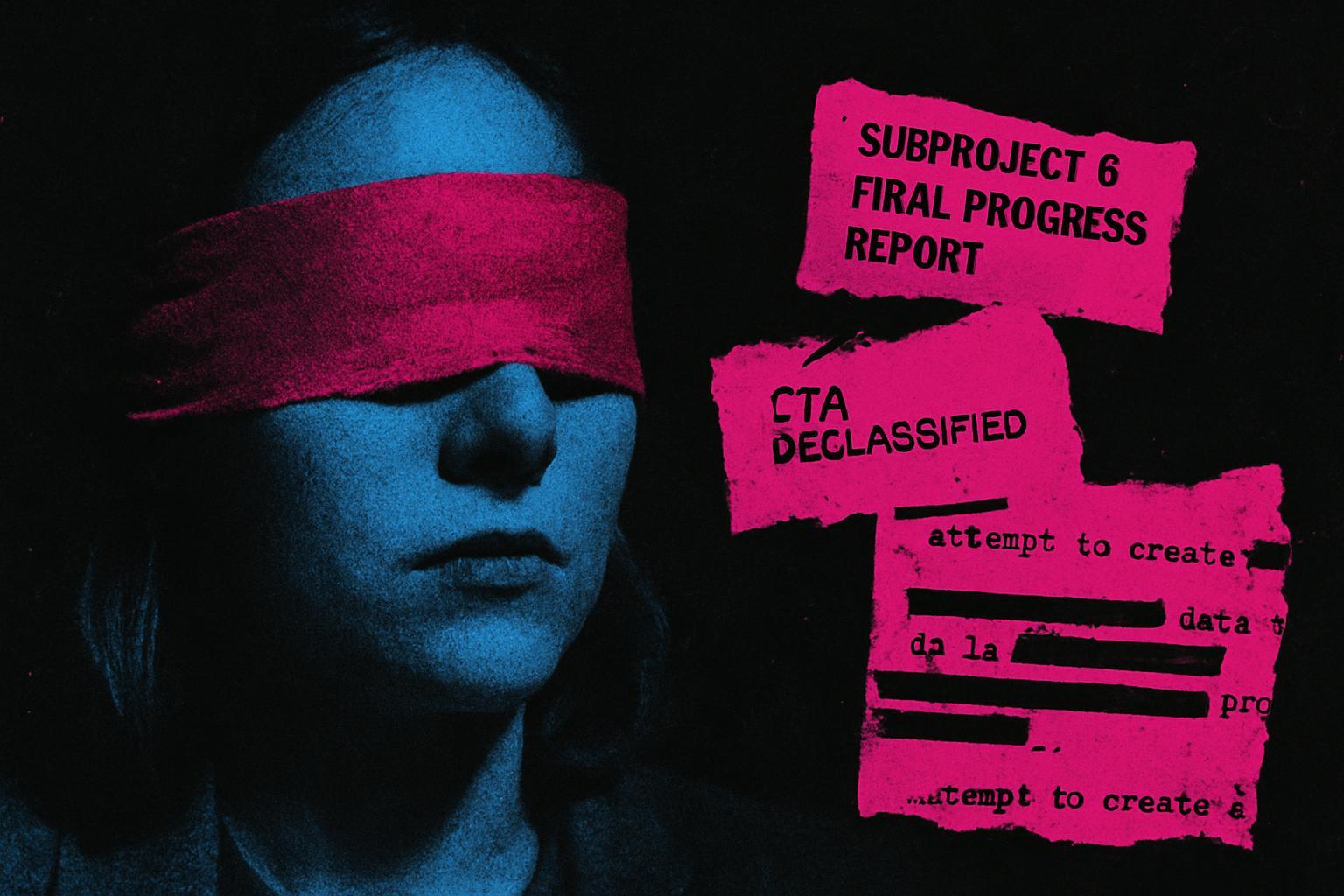
Declassified MKULTRA subproject files show attempts to plant unretrievable secrets in hypnotised subjects, and the method broke down almost every time it was tested.
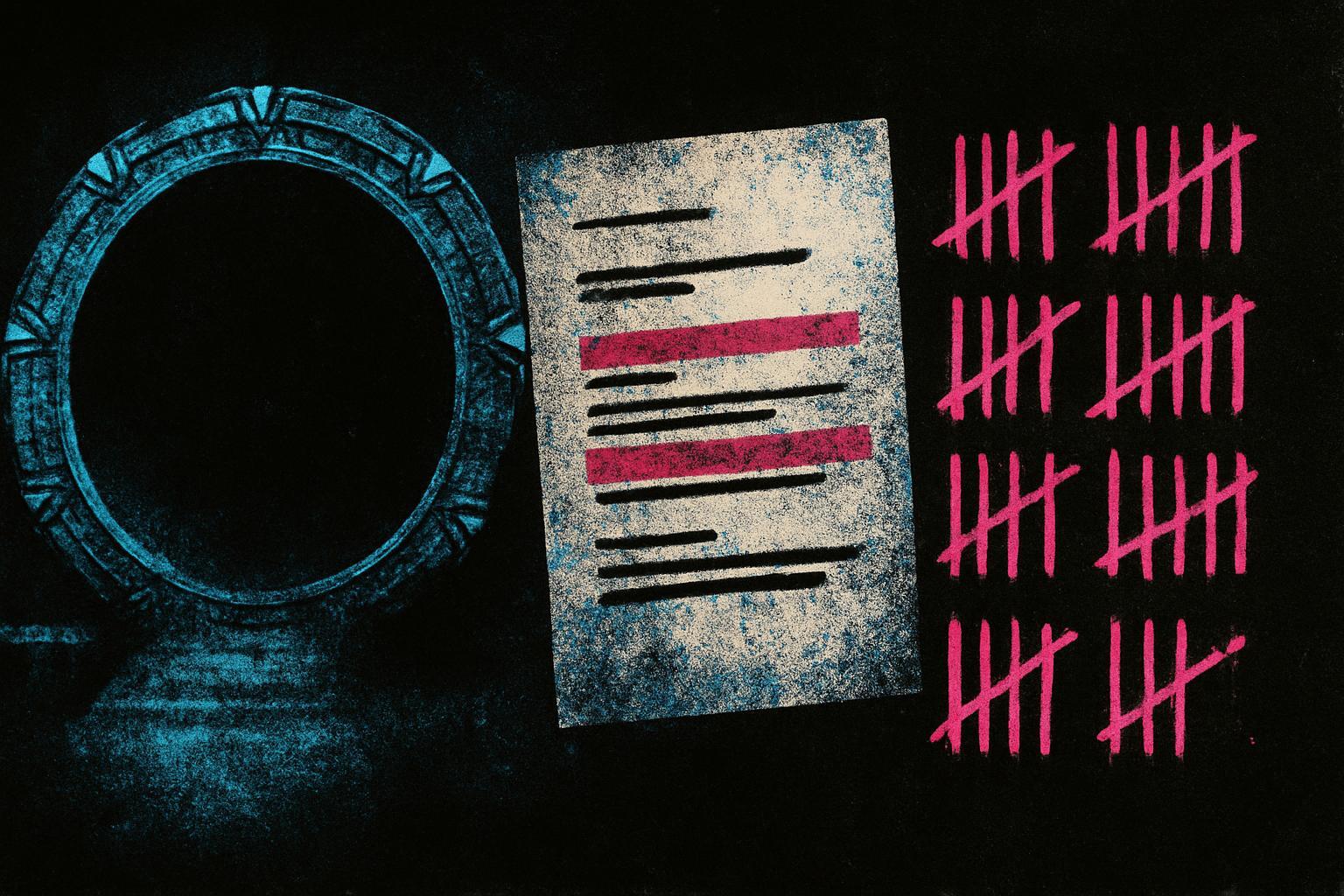
A DIA summary of the government’s remote viewing programme tallied 59 operational cases and marked every outcome unable to confirm.
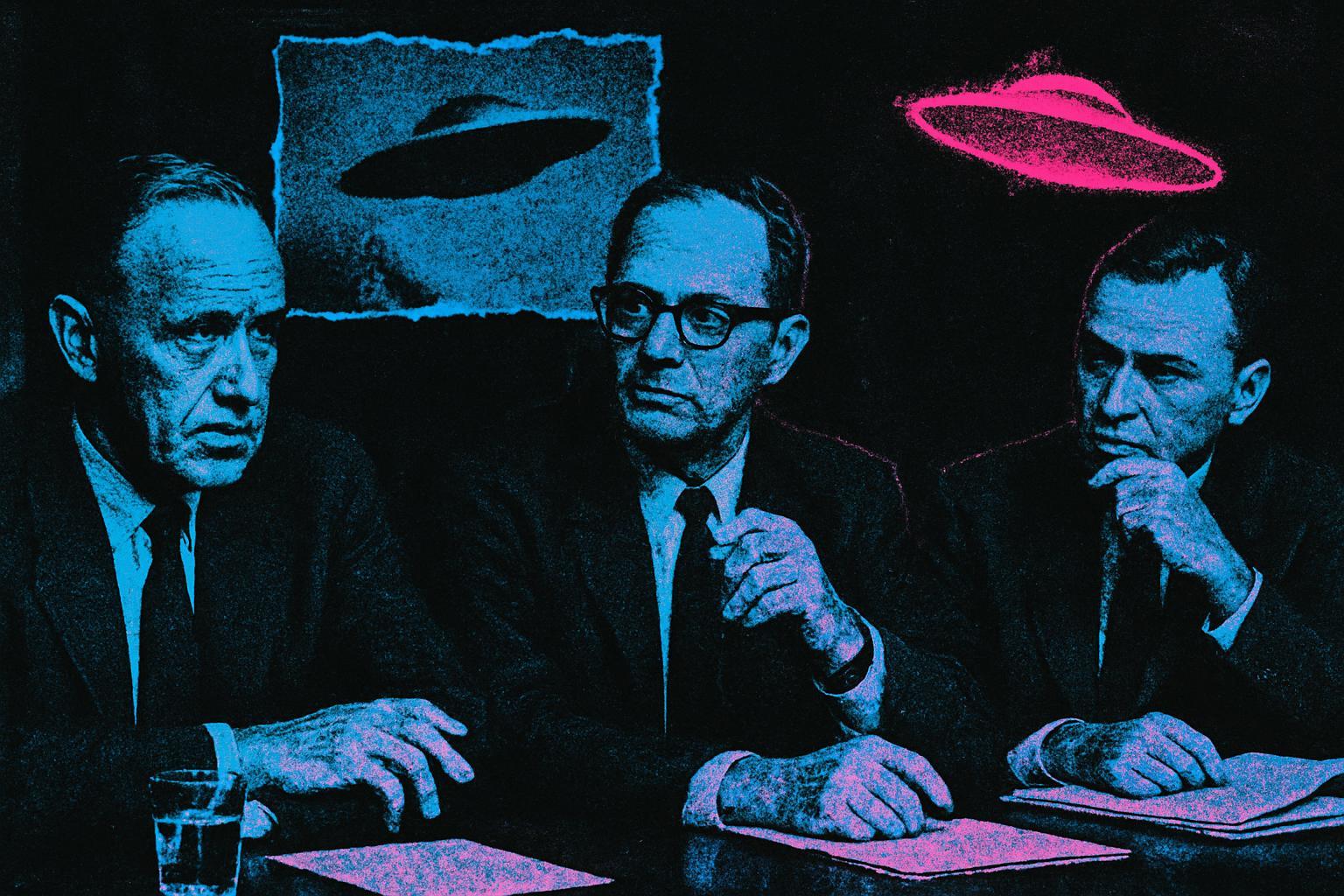
The CIA gathered its sharpest scientific minds to examine the strongest UFO evidence in 1953; they left unconvinced.
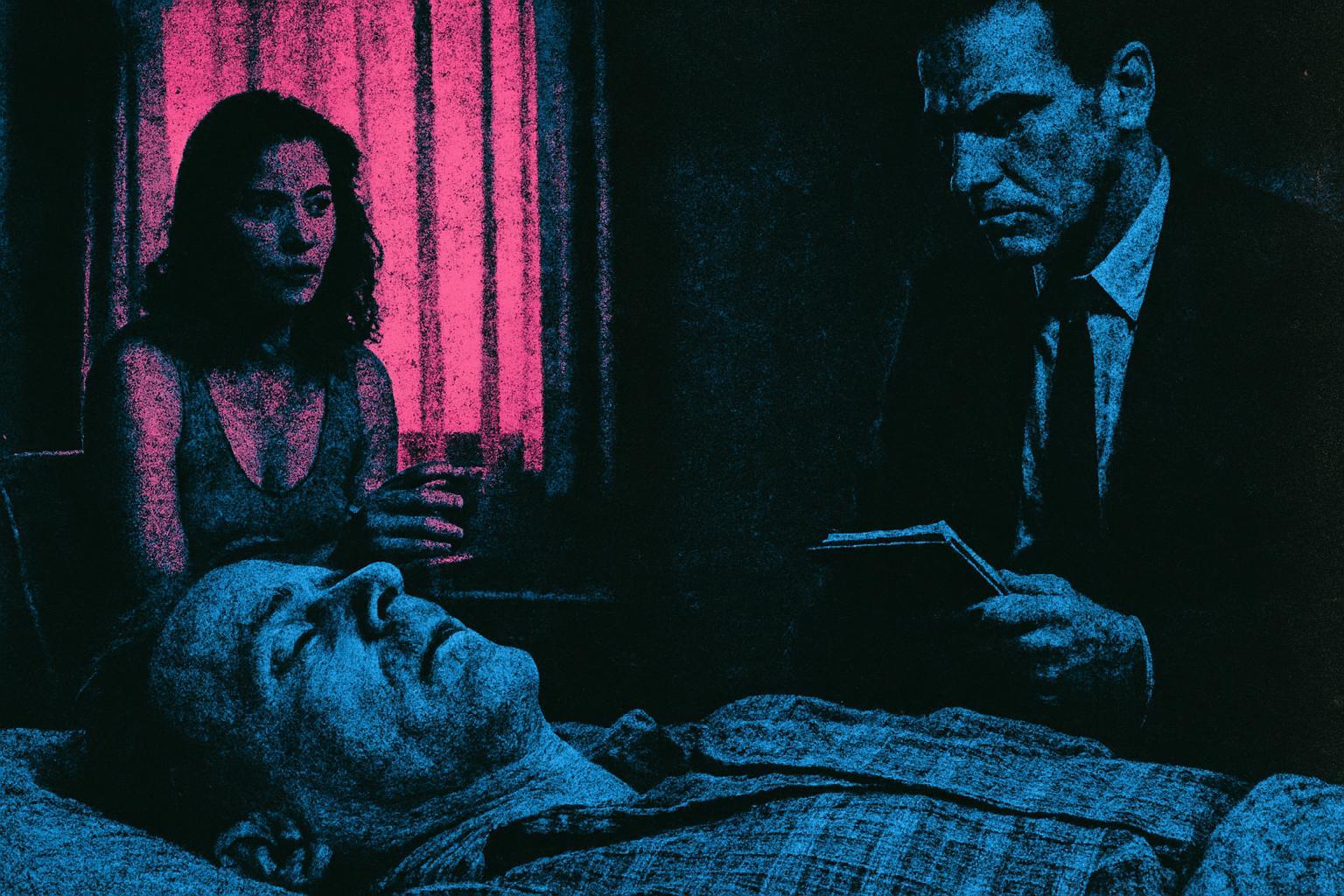
Declassified files on the CIA’s LSD-dosing safe houses show years of unwitting drugging with no intelligence gained and one death that the programme’s own defenders keep misattributing.
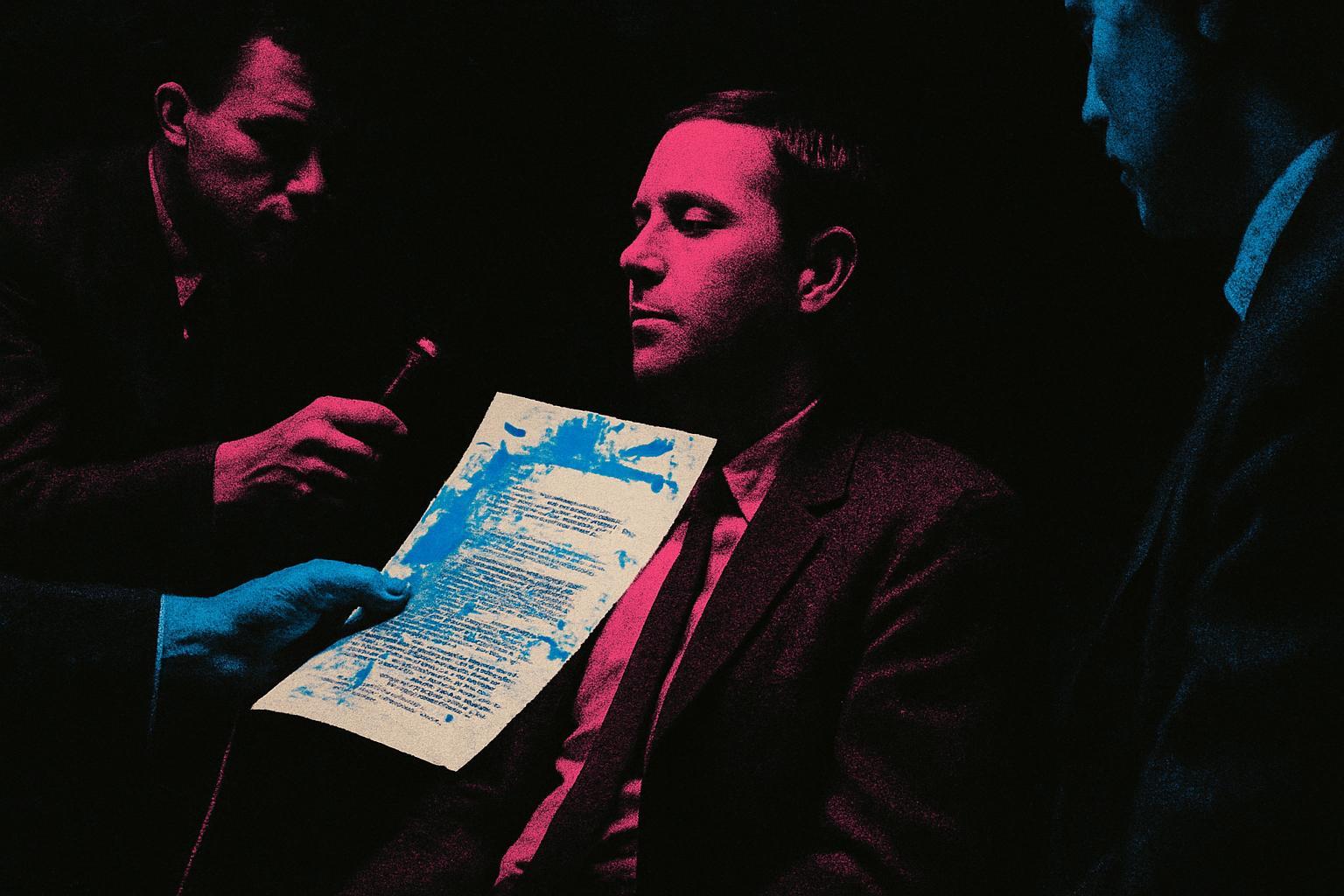
A single Project ARTICHOKE memo told the Director of Central Intelligence that combining drugs and hypnosis had worked; nothing since has confirmed it.
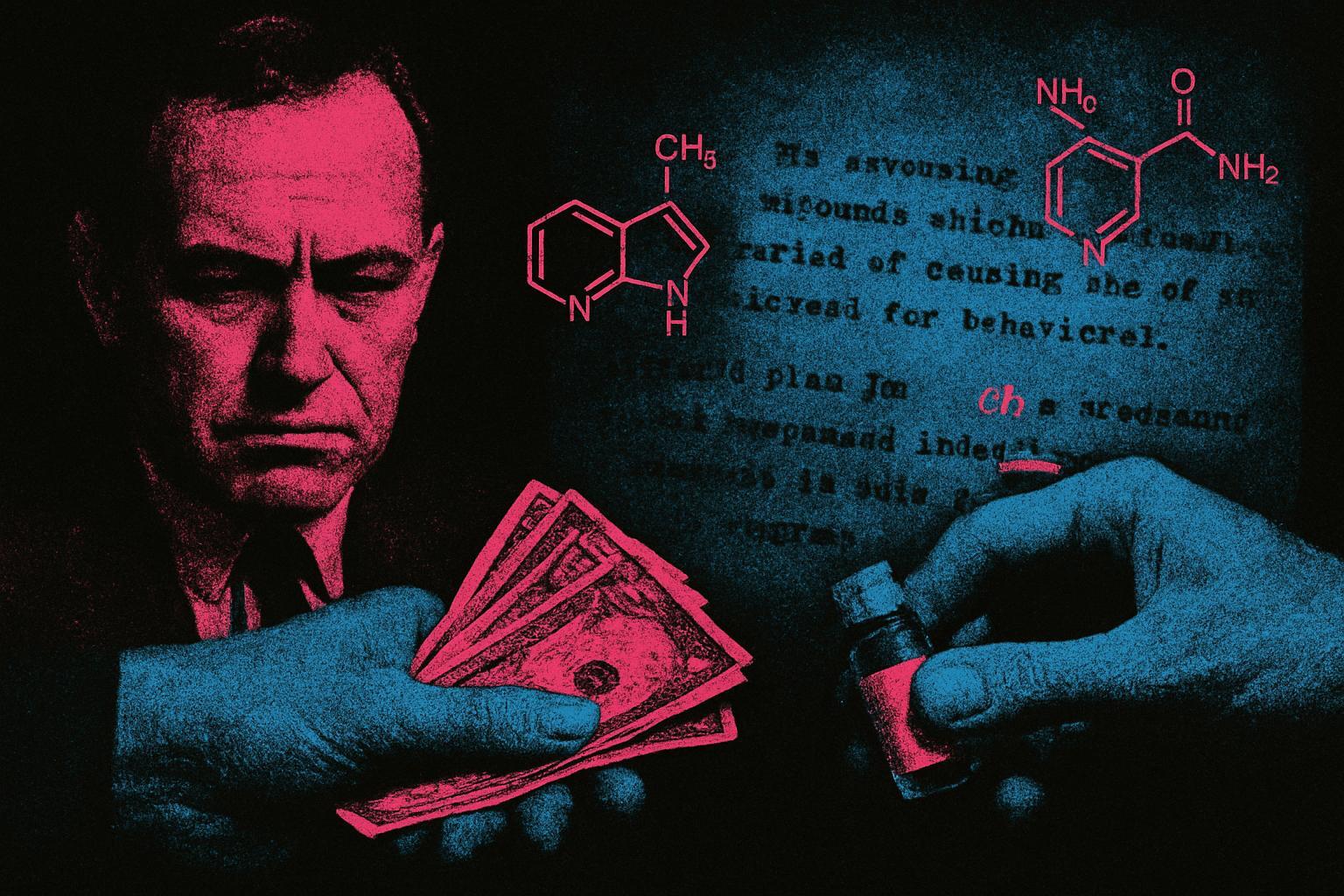
A 1955 file describes a screening plan, not a finished experiment, and the gap between the two is the whole story.
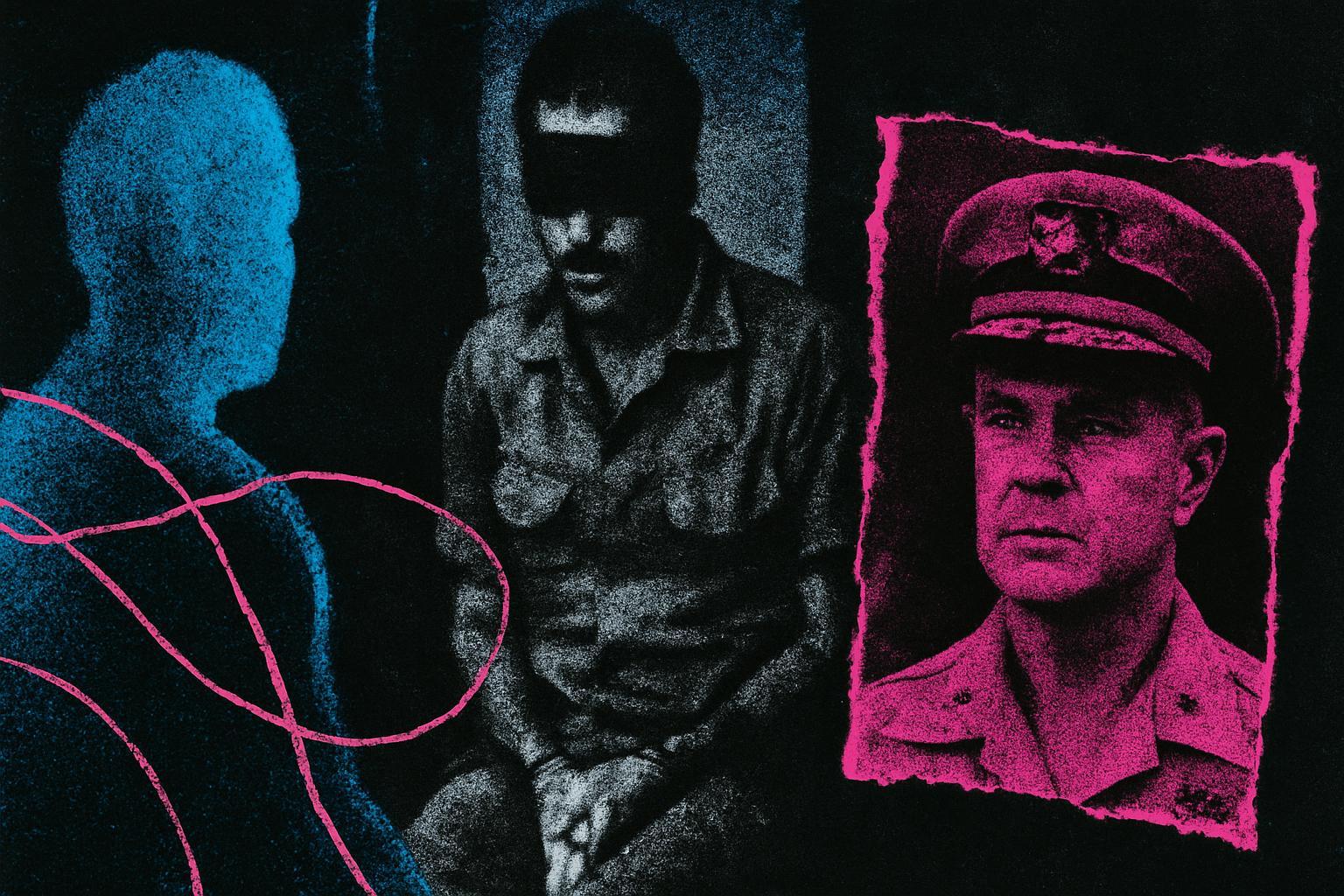
Declassified files show a monthslong remote-viewing effort to locate Colonel William Higgins, but the record proves persistence, not accuracy.
A famous STAR GATE anecdote holds up less well the closer you read the file.
A single 1989-90 DIA evaluation kept funding remote viewing for the intelligence community; the paperwork proves continuation, not clairvoyance.
A 1980 memo shows STAR GATE’s remote viewing unit given a live operational job during the hostage crisis, though the record stops well short of proving it worked.
A 1997 in-house CIA study says the agency studied UFO reports for decades and chose not to disclose it, but the admission comes from one historian summarising files the agency selected for him.
A Statistical Science meta-analysis claiming above-chance telepathy scores sat in STAR GATE’s files; it never left the debate stage.
Declassified Star Gate manuals show a genuine anti-cueing protocol, sealed targets, blind monitors, independent scoring, that survived scrutiny without proving remote viewing itself.
A declassified Addiction Research Center trial produced clean pharmacological data on two drugs the agency wanted weaponised.
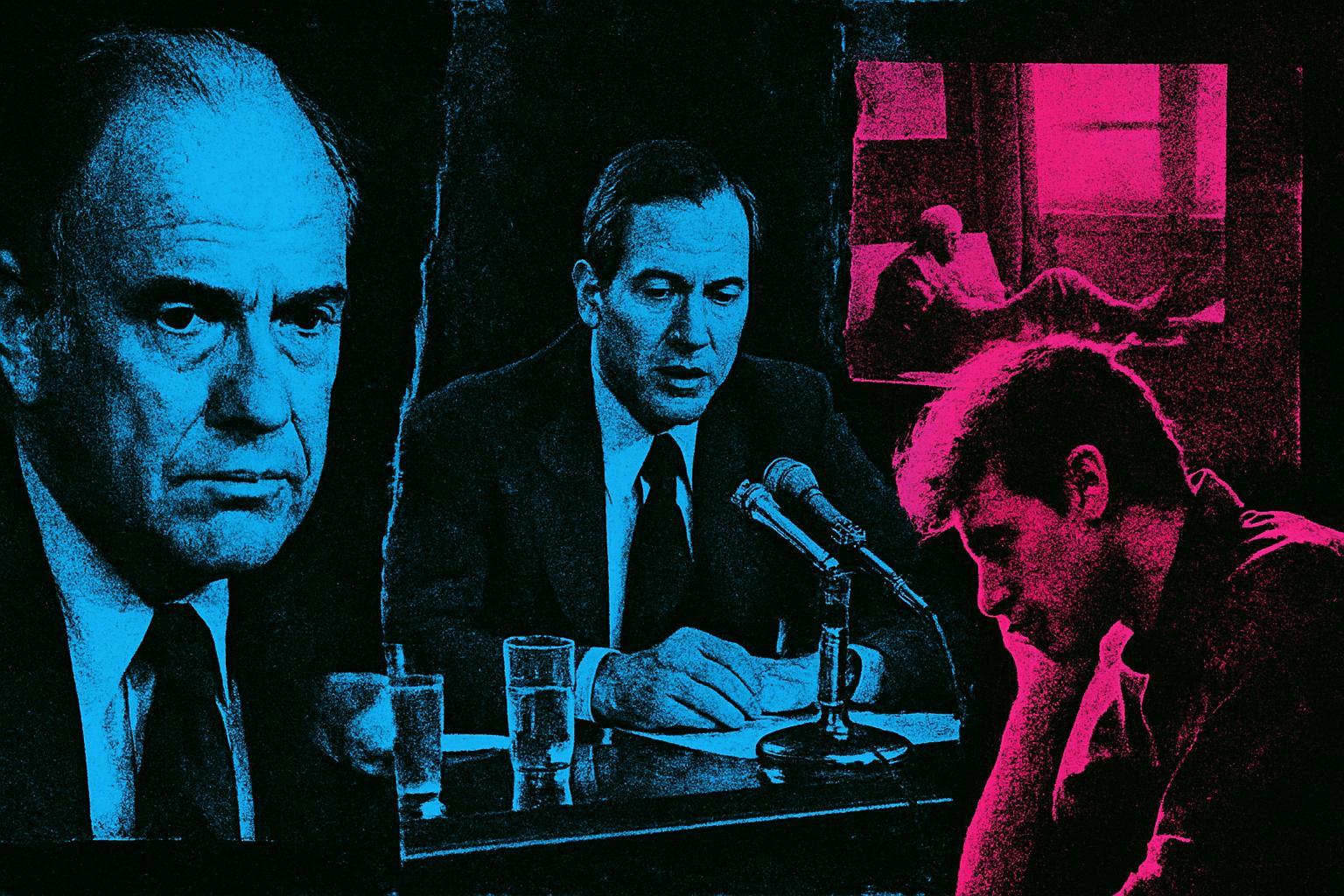
The 1977 Senate hearings corroborated a decade of CIA-run safe houses where LSD was slipped to men who never agreed to anything.