Pale Juárez predator: probably a mangy dog
A grainy photo and a familiar promoter are reviving chupacabra headlines, but the evidence hasn’t moved an inch.


A grainy photo and a familiar promoter are reviving chupacabra headlines, but the evidence hasn’t moved an inch.
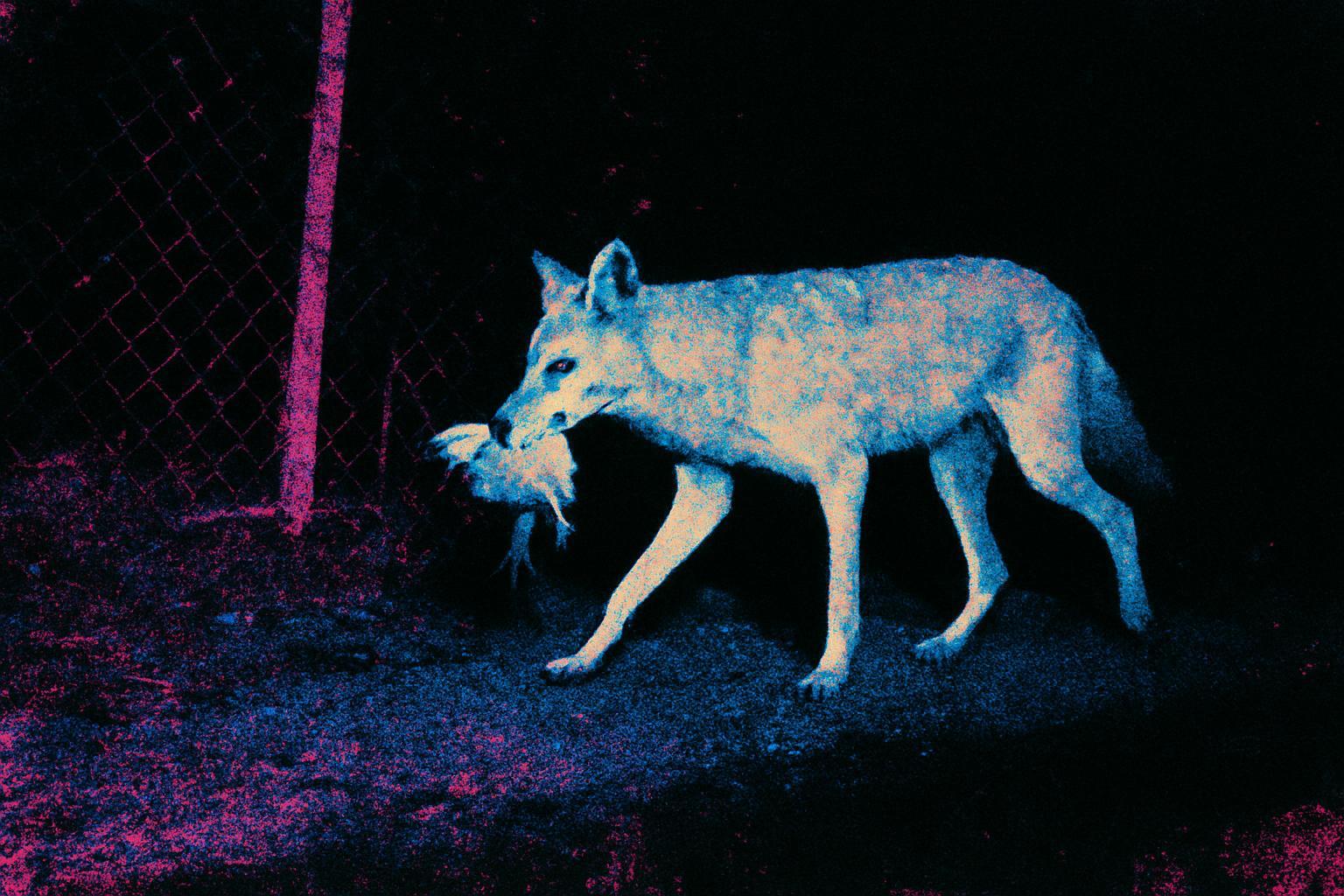
A grainy photo from Ciudad Juárez has been rebranded as an interdimensional predator by a researcher with a history of overselling thin evidence.
A package update on PyPI called ufo-tdkit-tools has nothing to do with aliens and everything to do with typeface hinting.
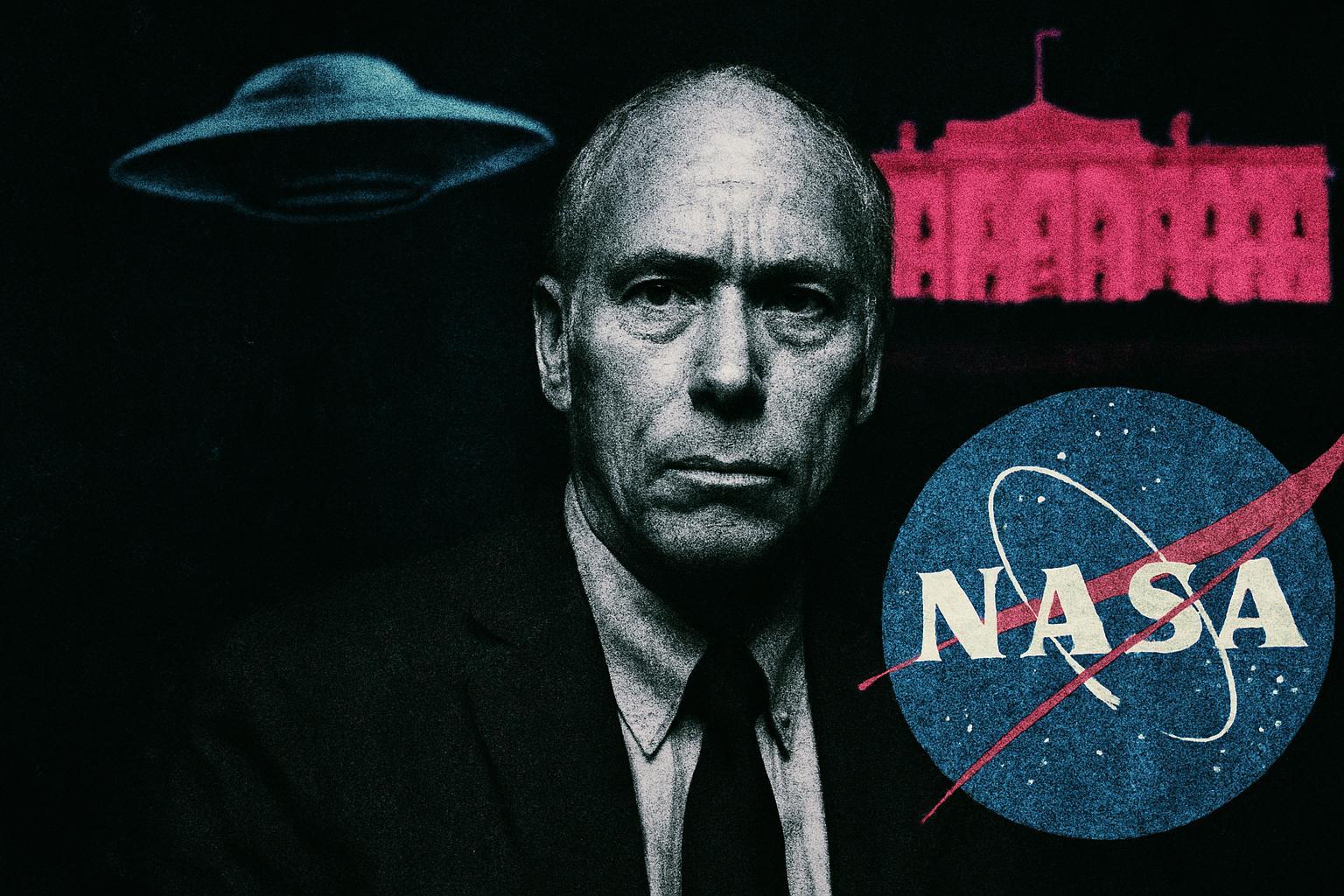
A Daily Mail piece trades the White House’s unfulfilled UFO-file pledge for a vaguer promise from someone who once ‘worked with NASA’.
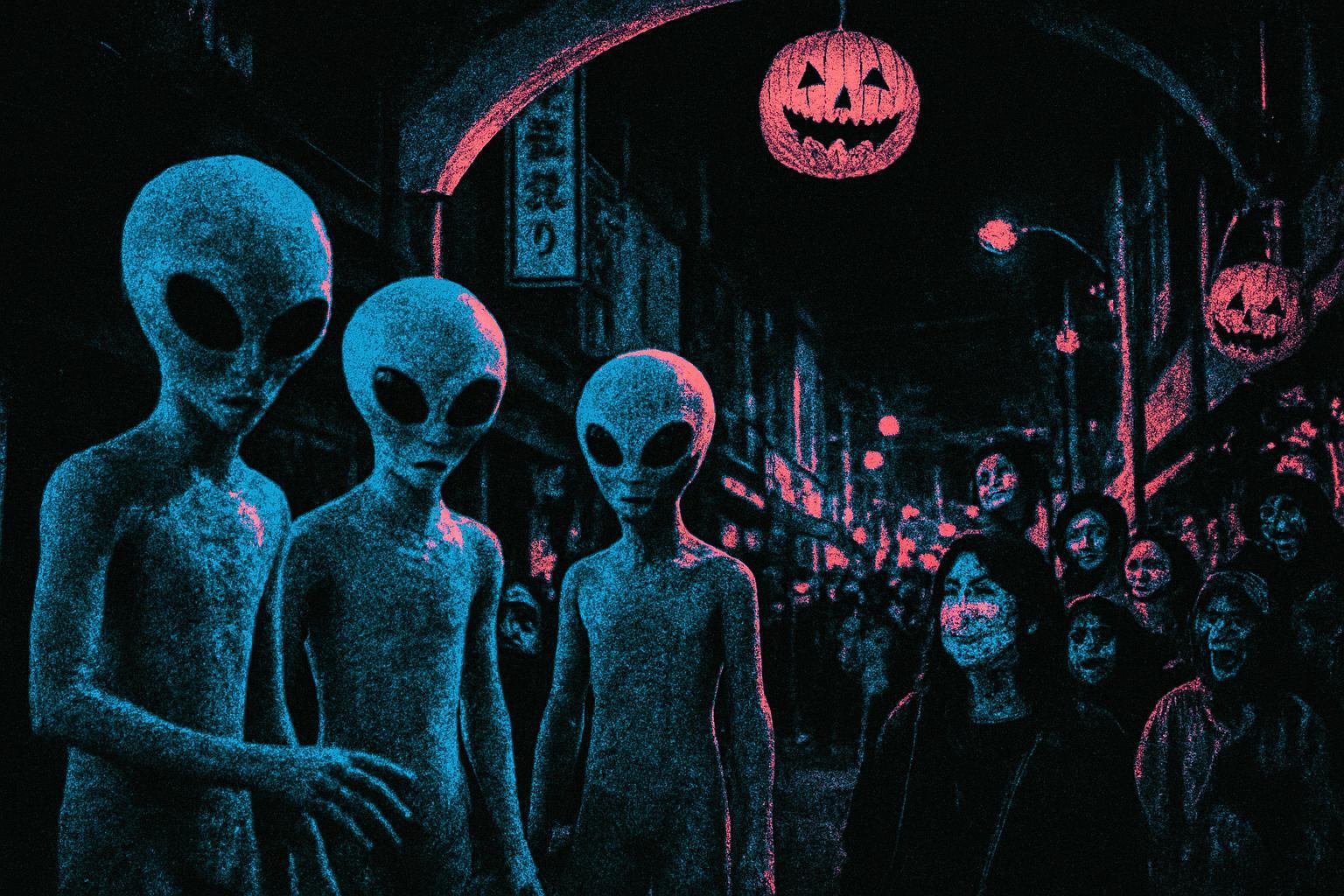
A PR Times release from a local revitalisation committee dresses up a Halloween street party as an alien landing, and nothing more.
A bureaucratic paper chase, not a verdict, is what the tribunal actually ordered this week.
A PyPI update called ufo-spacing-lib has nothing to do with unidentified aerial phenomena and everything to do with font margins.
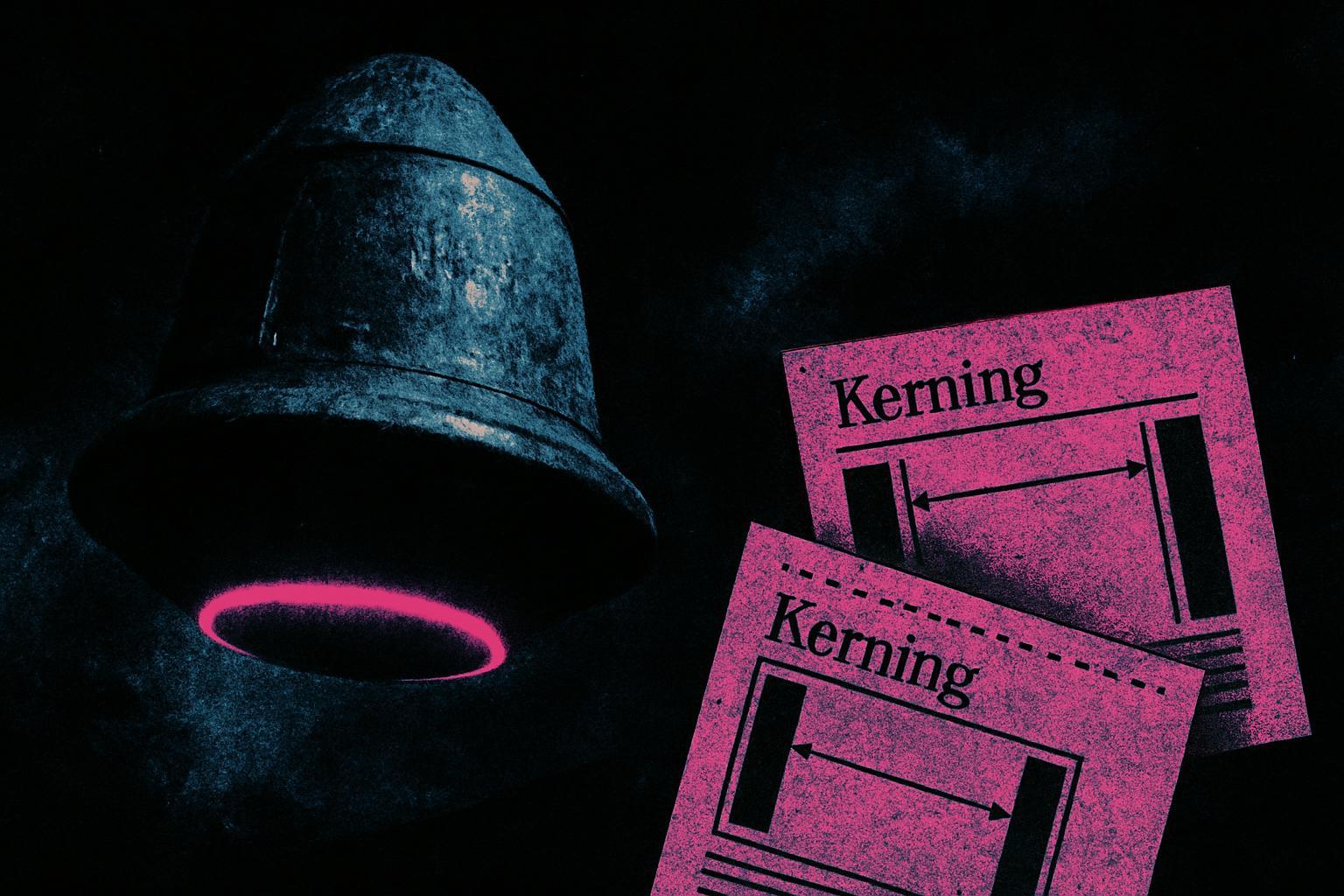
A PyPI update called ufo-spacing-lib has nothing to do with unidentified aerial phenomena and everything to do with font margins.
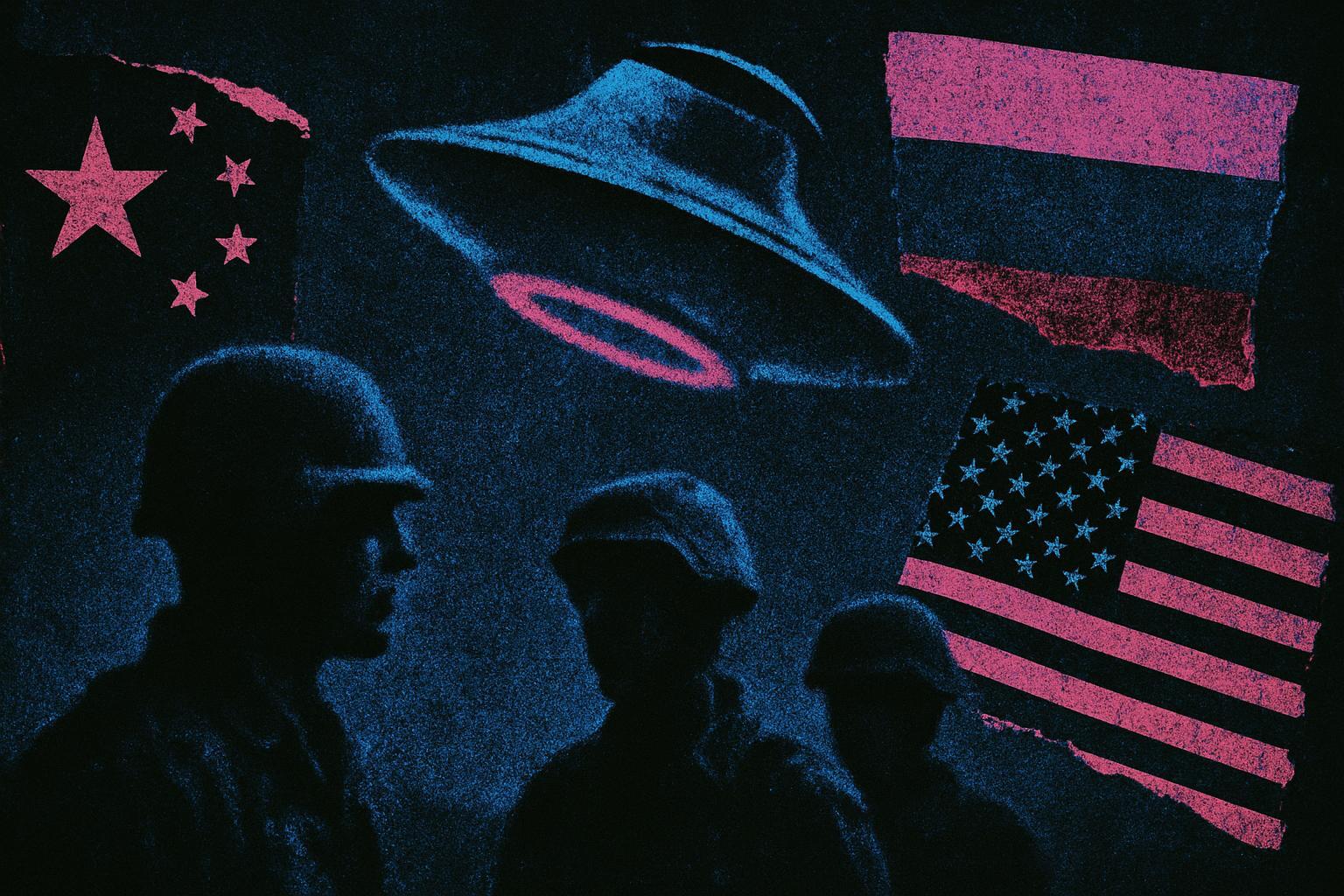
A Biztoc aggregation turns vague Pentagon chatter into a three-way superpower UFO contest with zero sourcing to match the premise.
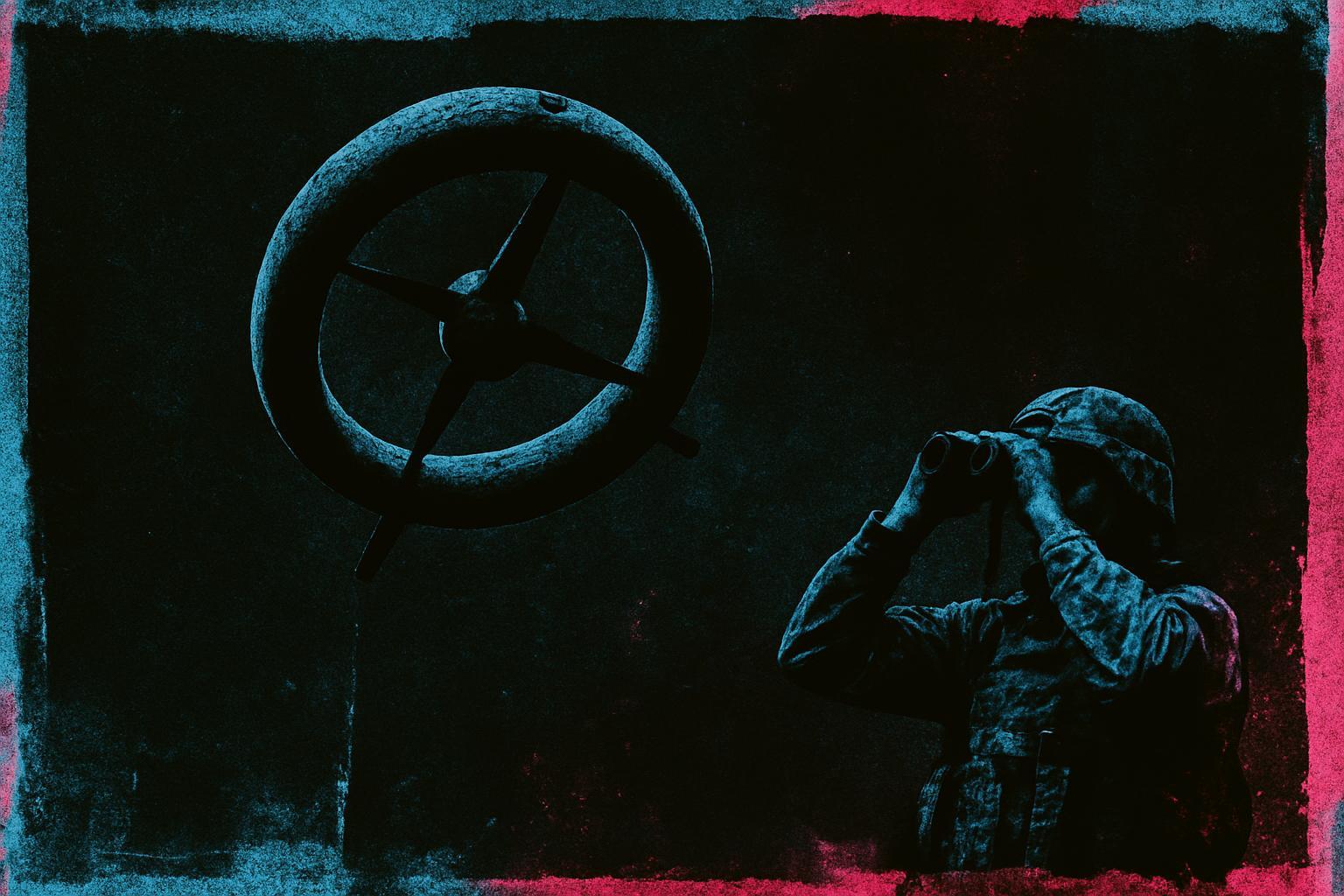
A circular-wing strike drone spooked online spotters before Ukrainian troops confirmed it was just hardware.
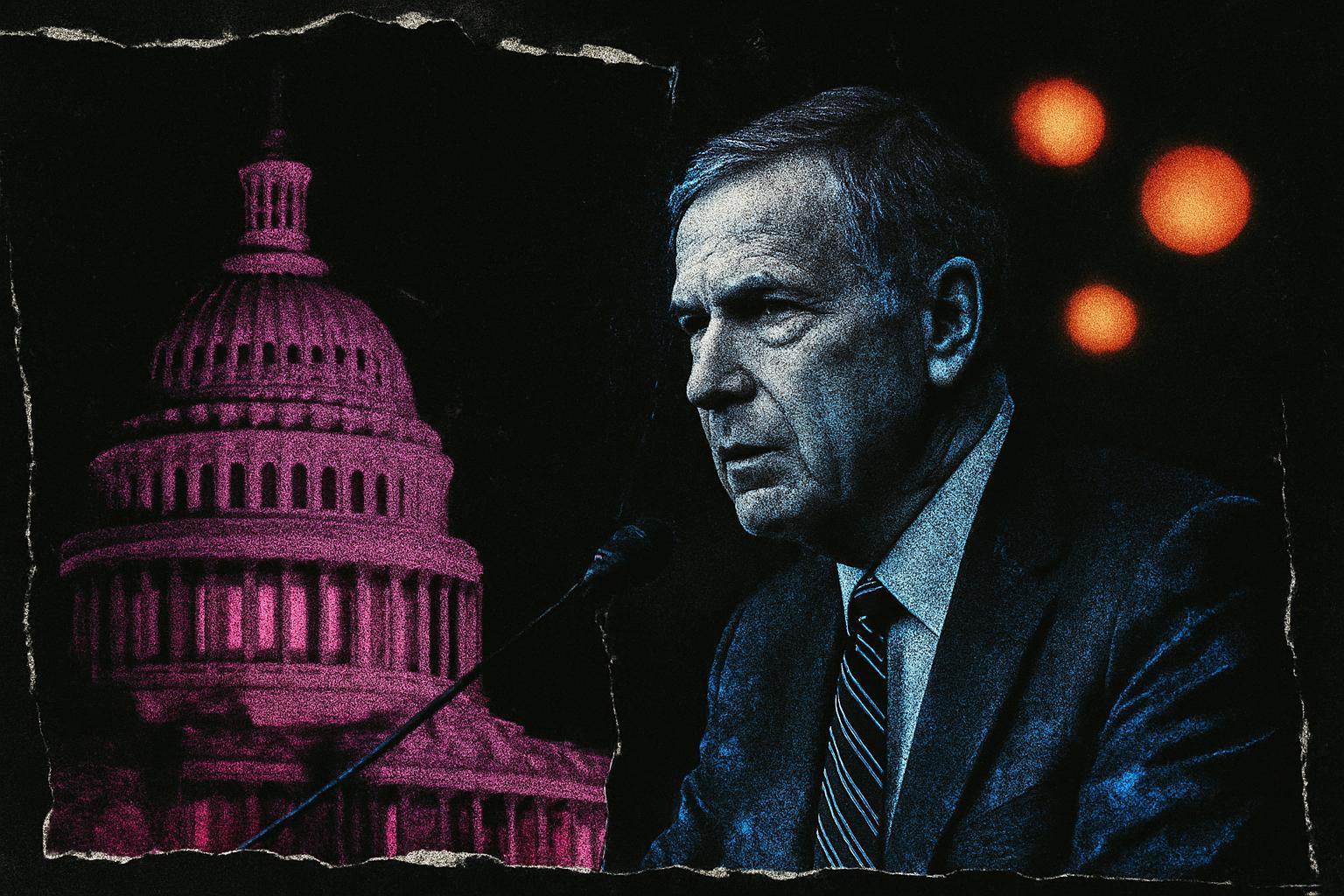
A possible hearing on a 2025 UFO report is being sold as mothership news before anyone has shown a mothership.
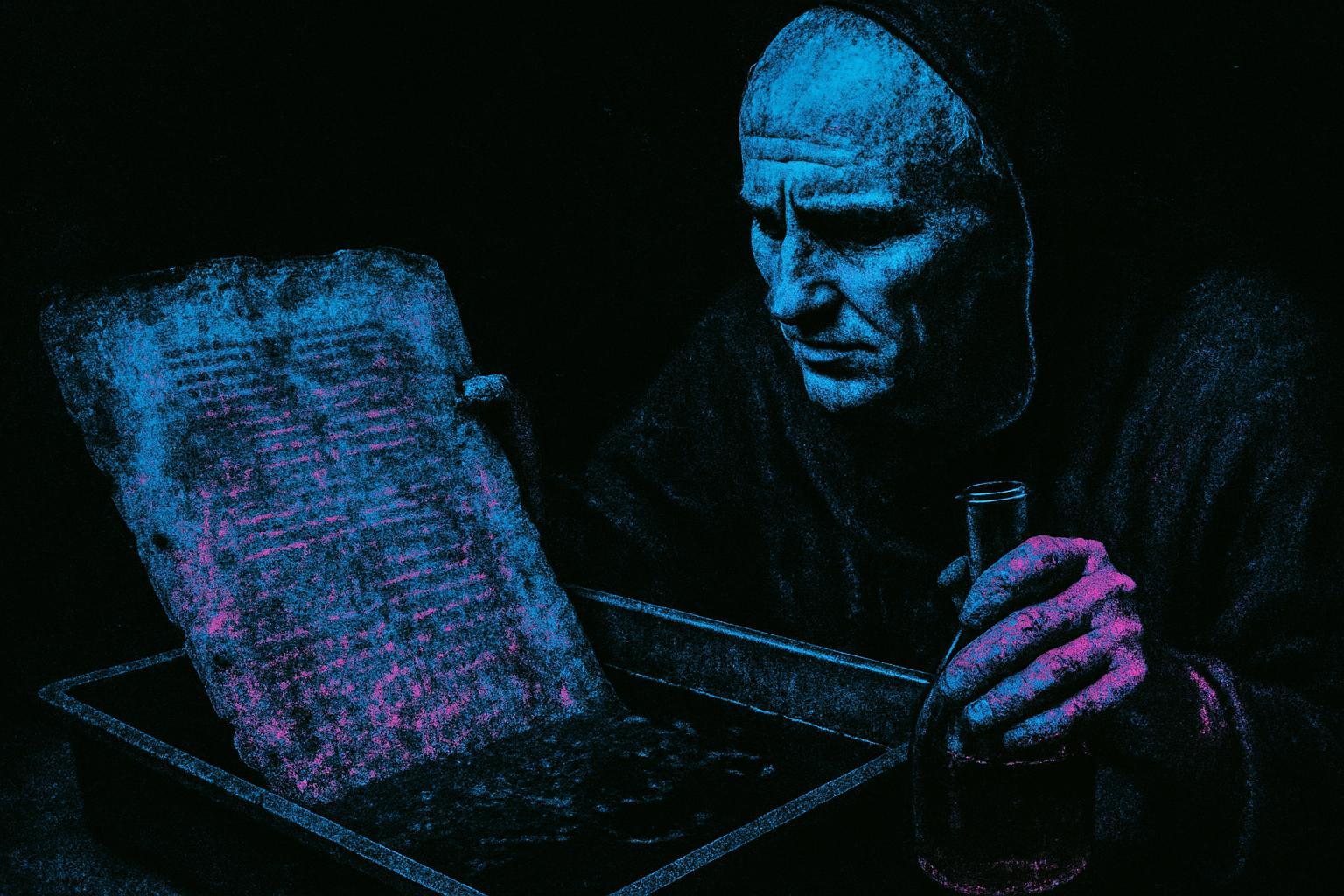
A nineteenth-century chemical trick peeled back a seventh-century Augustine manuscript to reveal fragments of Cicero’s De re publica, a text scholars had already given up for lost.

A Biztoc aggregation turns vague Pentagon chatter into a three-way superpower UFO contest with zero sourcing to match the premise.
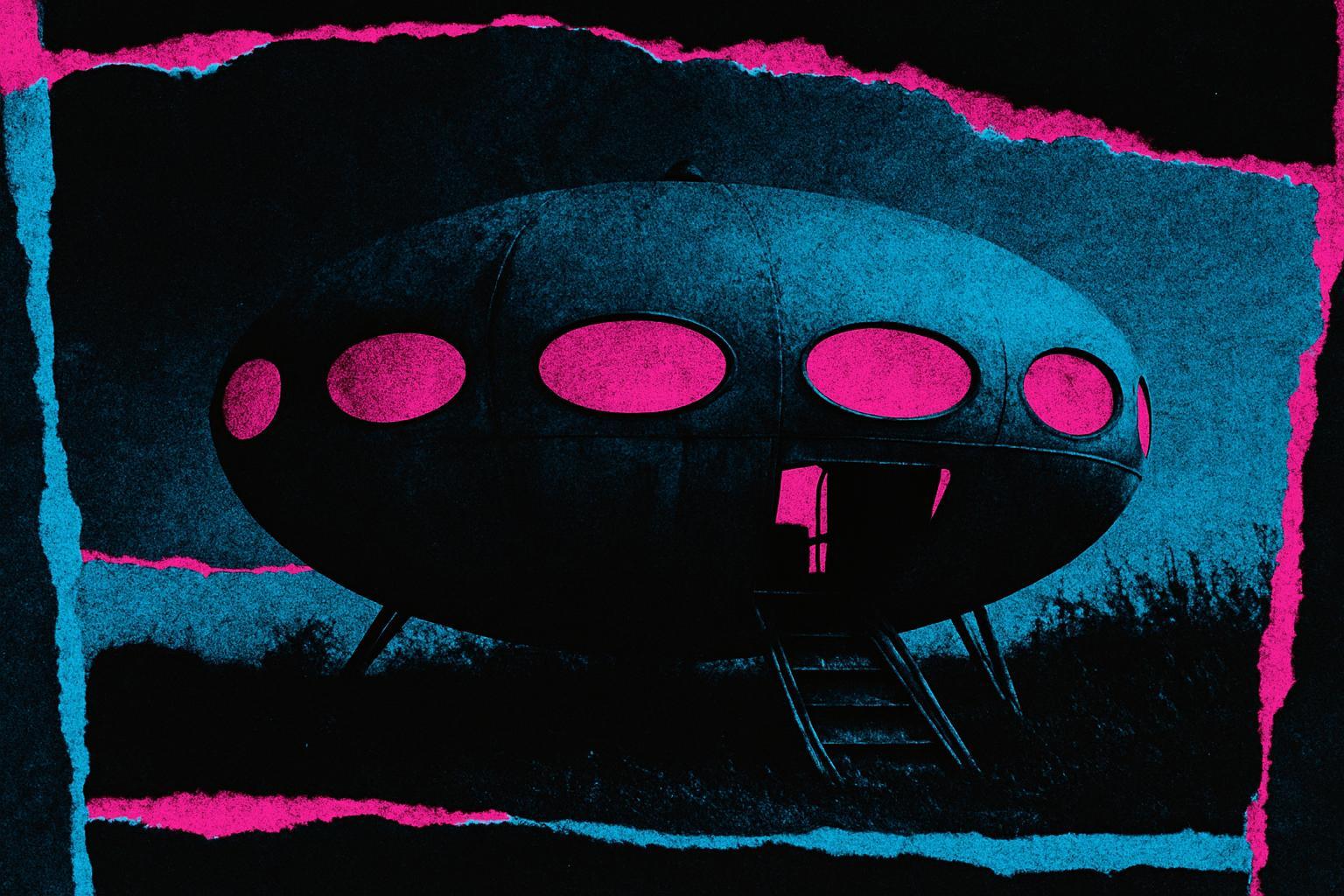
A 1968 prefab oddity gets the tabloid treatment as if it fell from orbit.

A Freerepublic repost turns an unconfirmed personnel shake-up into proof of an agency in crisis, without naming a single source who would say so on the record.

A Missouri lawmaker frames UAP secrecy as a geopolitical contest, but the record offers no new evidence, only political noise.
A Japanese press release about a cosmetic compact borrows the word UFO; no airspace was involved.
A Korean ginseng cosmetics firm borrows the UFO name for a makeup pun, not a flying saucer.
A pirated listing for a 2026 feature dressed up as a UAP dossier, not a case record.

A tagged satire piece gets read as sighting news; the base, the crowd and the extraterrestrials all exist only in the byline’s imagination.

An influencer’s address to thousands of extraterrestrials turns out to be exactly what the outlet’s own label says it is.
A new PyPI tool called ufo-model-loader has nothing to do with sightings, only particle physics data.
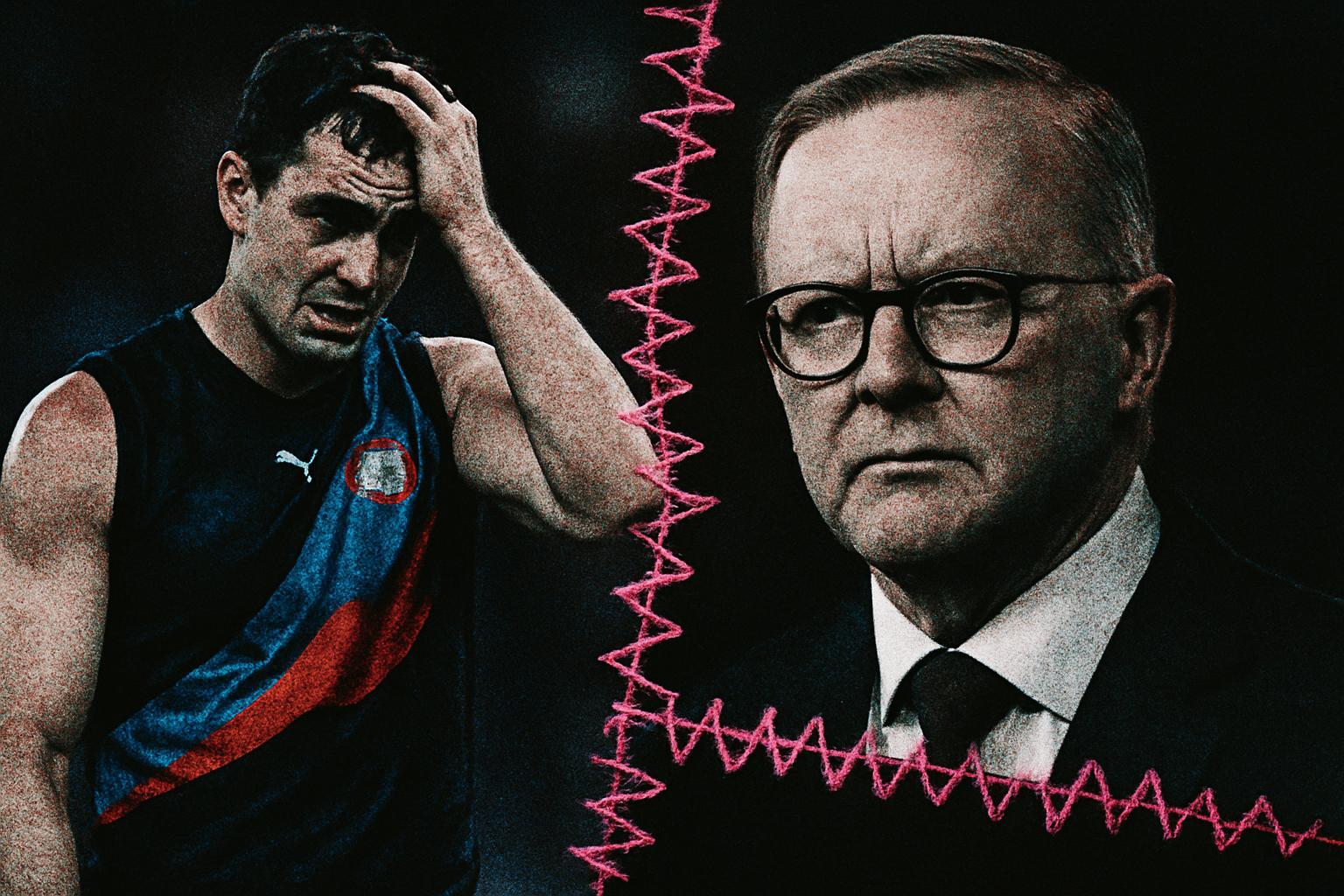
An AFL club’s internal trouble gets stitched to the prime minister’s rhetoric, and the stitching is doing all the work.
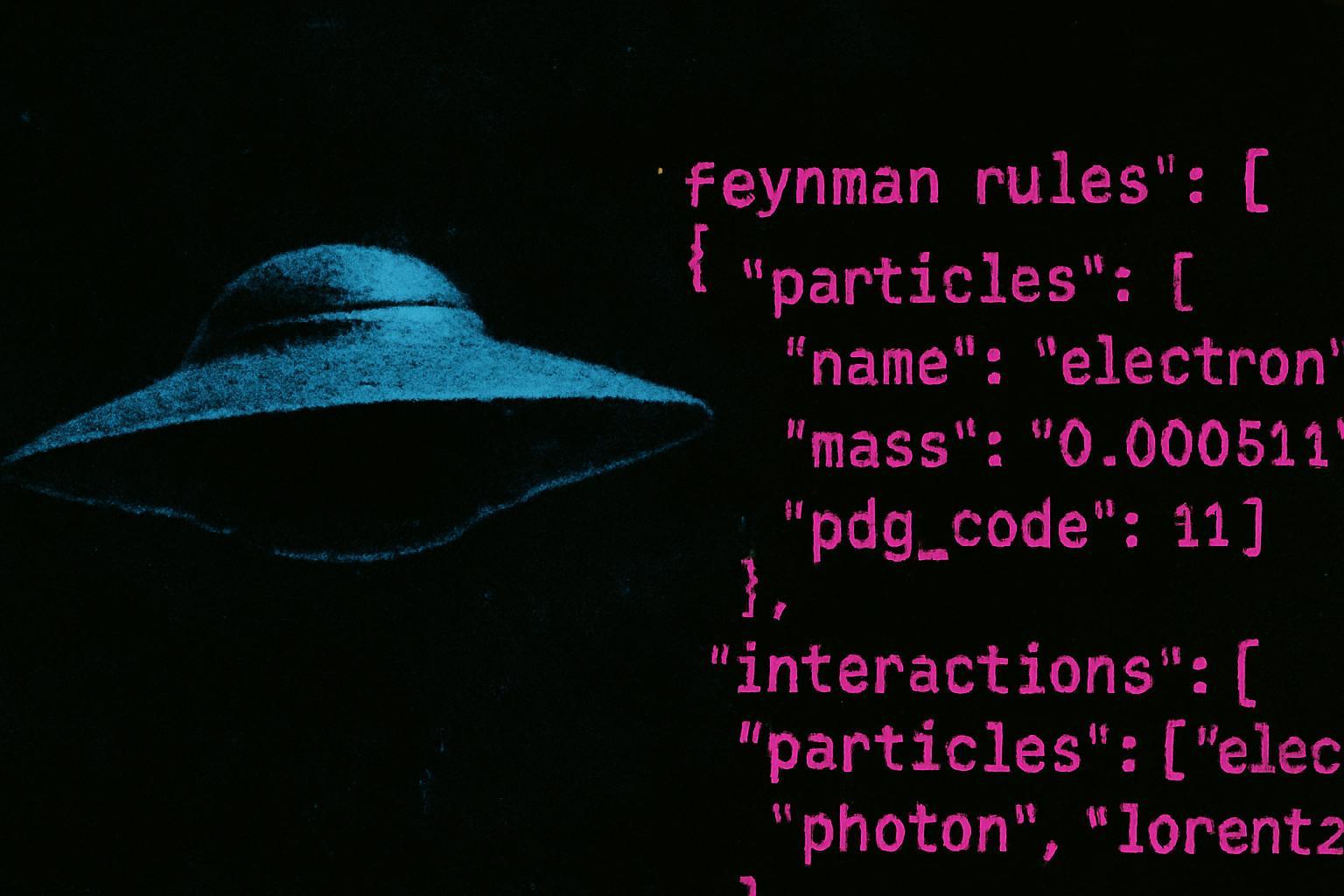
A Python package promises to load UFO physics models and export them as JSON; nothing extraterrestrial about it.
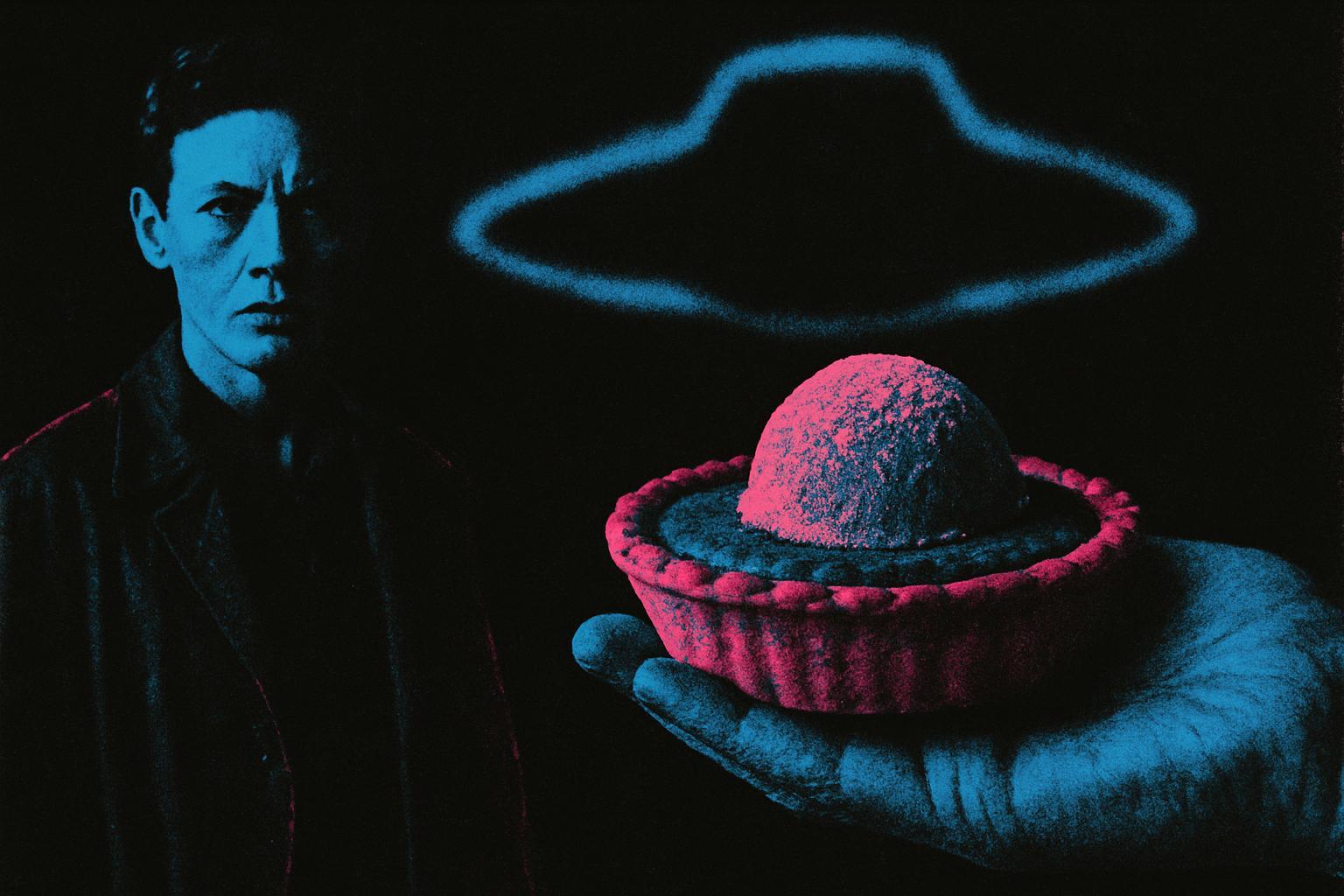
CNA’s travel puff mentions UFO tarts; the file is pastry, not Pentagon business.