The Dig · Vatican
Oldest Roman Mass book survives only as a Frankish copy
Reg.lat.316 is the earliest surviving witness to a Roman sacramentary type, but the book in your hands is Frankish work, not Roman original.
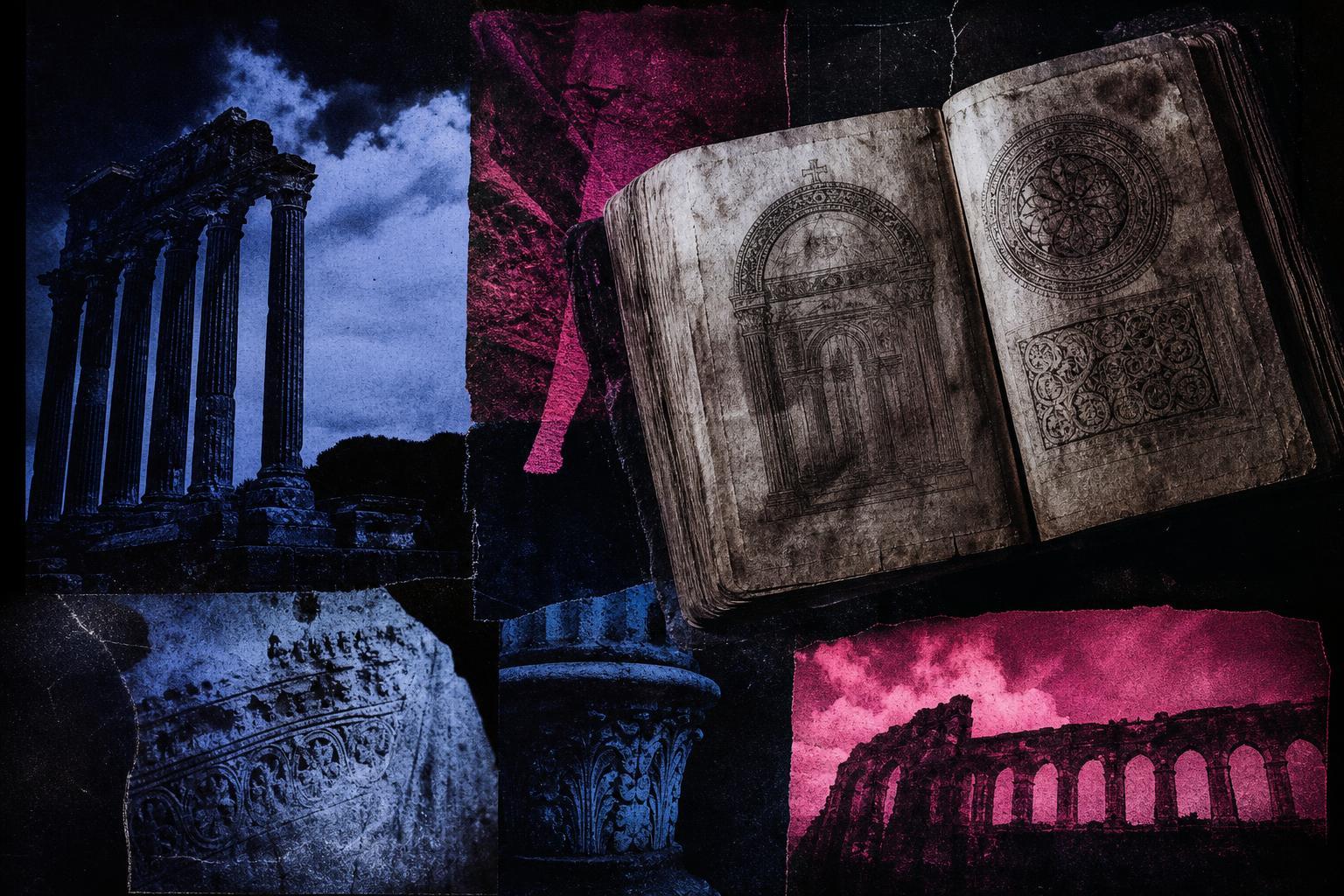
The manuscript is Reg.lat.316, held in the Vatican Library and digitised in full through DigiVatLib’s IIIF viewer. It is a sacramentary, a Mass-book of prayers and blessings, copied around 750 AD. The scribes worked at Chelles, a monastery near Paris, for a community of nuns. Three sets of texts fill its pages: masses for the church year, feast days of saints, and votive occasions for weddings, ordinations, funerals.
Call it old carefully. It is the oldest surviving copy of this particular liturgical family, not proof that Pope Gelasius I wrote a word of it. The attribution is a medieval label, not a signature; scholars have used it as shorthand since the manuscript surfaced in print editions. Paleographers date the script and the vellum to eighth-century Francia, and nobody serious disputes that dating now. Lorenzo Mohlberg’s 1960 edition and later work by Cyrille Vogel checked the hand, the ink, the binding history; the Chelles scriptorium link holds.
Here is the awkward part. What survives is a Frankish copy of a Roman type, already stitched with Gallican additions by the time nuns at Chelles finished it. Treat it as a window onto sixth- or seventh-century Rome and you are guessing past the evidence. Treat it as proof of how Roman liturgy got rewritten on arrival in Francia, and the manuscript earns its keep.
The diamond grade sits on the object, not the myth around it. Shelfmark, date, scriptorium, physical condition: all checkable against the digitised pages, all confirmed by independent codicology. What falls over is any claim that this book hands us Gelasius’s own text, unmediated, straight from fifth-century Rome. It doesn’t, and nobody competent says it does.
Source: The Dig / the Vatican archive source