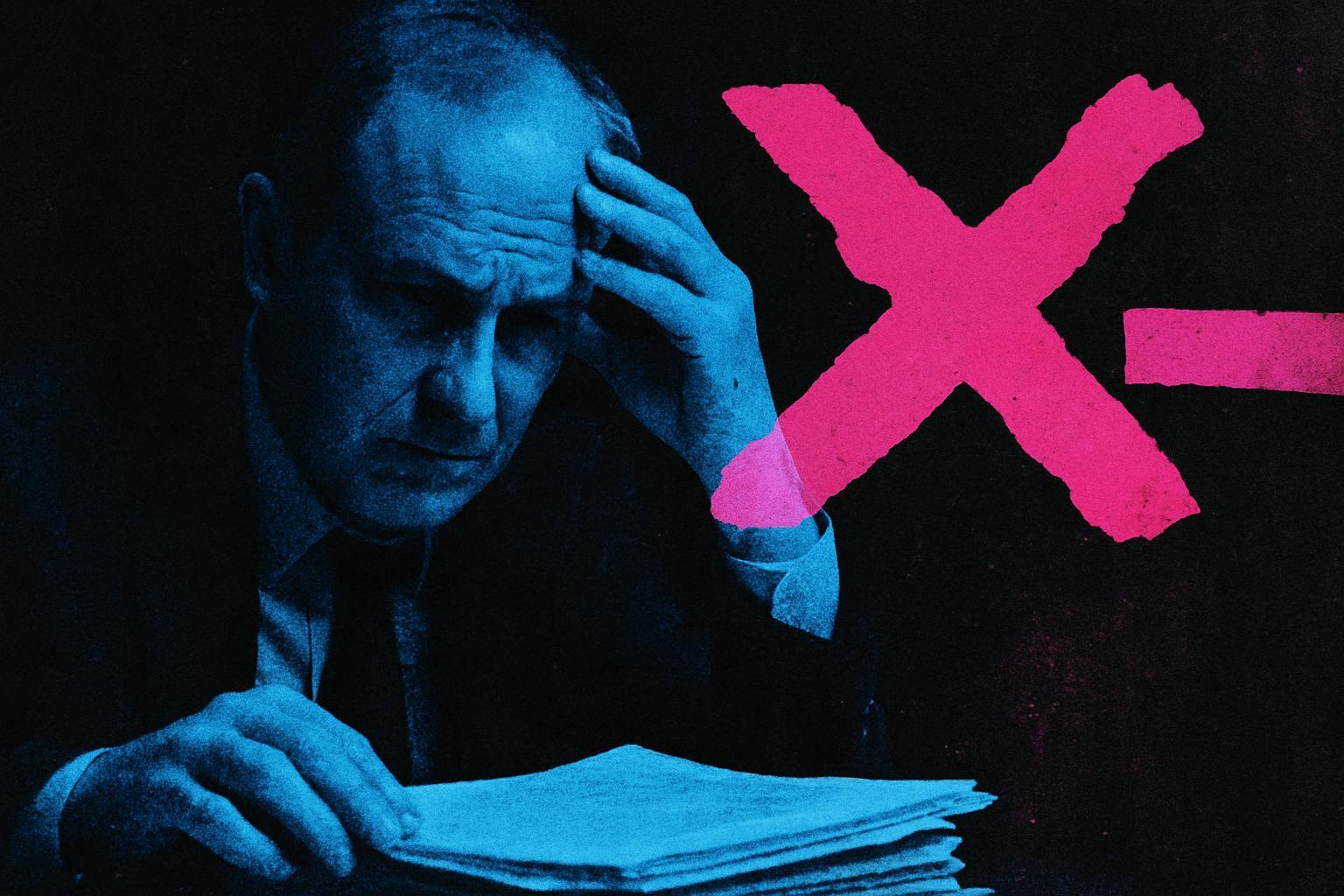
The Dig · Declassified
CIA doctrine scores evidence by what it rules out
Heuer’s Analysis of Competing Hypotheses survived decades of use inside CIA by grading evidence against rejection, not confirmation.
Richards Heuer wrote the manual while running CIA’s Product Evaluation Staff in the 1970s; his book, Psychology of Intelligence Analysis, became house doctrine by the late 1990s. The method, Analysis of Competing Hypotheses, asks an analyst to list every plausible explanation before touching a single fact. Then each piece of evidence is scored not for what it supports, but for what it rules out. The hypothesis with the fewest contradictions wins, not the one with the most cheerleaders.
This holds up because it fights a known failure mode: confirmation bias. Analysts, like the rest of us, notice facts that fit a favoured story and skate past the ones that don’t. ACH forces the comparison onto a grid, evidence rows against hypothesis columns, so a contradicted theory cannot hide behind a pile of supporting anecdotes. It is dull, slow, and it works precisely because it is dull and slow.
It fails, or stalls, where the hypothesis list is wrong from the start; bad hypotheses in, bad rankings out. The grid also flatters evidence with false precision, one tick per data point, no weighting for source reliability. Heuer flagged this limit himself, more than once.
What it means for anyone reading MKULTRA or STAR GATE files now: ACH is a discipline, not a truth machine. It cannot tell you whether remote viewing worked. It can tell you whether the file writer tested a claim against a null hypothesis, or just piled up favourable anecdotes and called it proof. Most of the paranormal files fail that second test badly.
Source: The Dig / declassified CIA files source