UAP watch · Freerepublic.com
Pentagon releases eighth batch of declassified UFO files
A new tranche of Pentagon files includes a 1952 CIA briefing on flying saucer sightings and an unexplained video near a US Naval vessel, with no sensor data to back either up.
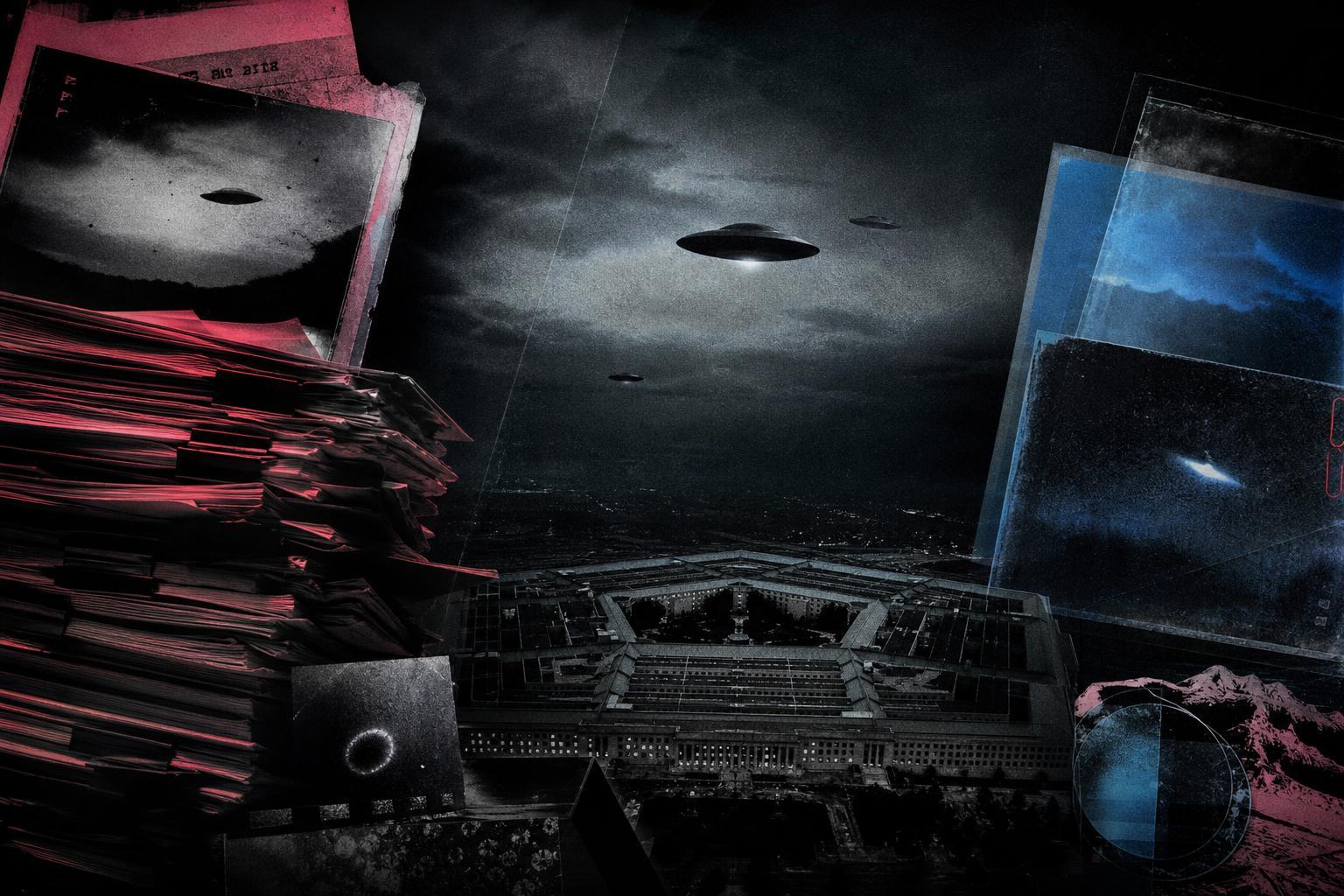
The Pentagon released its eighth tranche of declassified UFO files on Friday, the latest in what it calls a new wave of UAP disclosure under the Trump administration. Chief Pentagon spokesman Sean Parnell announced the batch as part of the Presidential Unsealing and Reporting System for UAP Encounters, known as PURSUE, with files housed at WAR.GOV/UFO. He said the department would keep releasing material incrementally rather than in one go, continuing a programme that has already produced seven earlier batches. The headline document is a 1952 Central Intelligence Agency Office of Scientific Intelligence briefing, evaluating a US Air Force investigation into "flying saucer" sighting reports and their possible intelligence implications.
What the release actually contains is modest: three videos and forty documents, several dating from the 1950s. The CIA briefing, dated August 14, 1952, references roughly 1,500 flying saucer reports logged across the United States that year, with 250 recorded in July alone. One video shows an object near a US Naval vessel in the Middle East; no further description of date, location or vessel accompanies it. The remaining documents are not described beyond their decade of origin.
There is no sensor data, radar log or technical analysis attached to the naval video. No second witness, ship’s officer or named analyst appears anywhere in the material beyond Parnell’s statement. Nobody on record explains the video’s chain of custody or which command authorised its release. The 1952 CIA document is a historical paper, not a live investigation, and nothing in the release says why it surfaces now rather than through ordinary archival cataloguing. That absence matters more than the document’s age.
The plainest explanation for the 1952 figures is a well-documented cold-war reporting flap: a summer of press coverage, radar clutter and aircraft misidentification that produced a spike in saucer sightings nationwide. For the naval video, the ordinary suspects are drones, balloons or a camera artefact born of distance and poor light. A weather balloon remains plausible too, given the era’s documented launches, though nothing in this release says so directly. Ruling any of these in or out would need the raw sensor feed, bearing and altitude data, and a ship’s log entry. None of that has been supplied.
This release sits inside the broader disclosure effort now tracked by AARO, whose remit includes exactly this kind of archival housekeeping, turning old intelligence paperwork into public record; the agency itself is not quoted anywhere endorsing an interpretation of these particular files. The 1952 numbers also echo the Washington DC flap of that same July, when radar operators and Air Force pilots reported a cluster of unexplained returns over the capital, a case Project Blue Book later examined. The new batch adds provenance to an old file. It does not add new evidence.
Public reaction, visible in the same thread, ranges from renamed-department grievances to talk of demons and election distractions. One poster invokes Lockheed engineer Clarence Kelly Johnson, suggesting wartime test aircraft explain the reports, but offers no corroborating document. None of it moves the needle either way. It says more about appetite than about aircraft.
Grade: C. The CIA document is genuine, dated and specific about 1950s sighting numbers; the naval vessel video stands uncorroborated, with no sensor data, named witness or second source attached.
Source: Freerepublic.com source