The Dig · Vatican
The only complete Palestinian Targum sat mislabelled in Rome for centuries
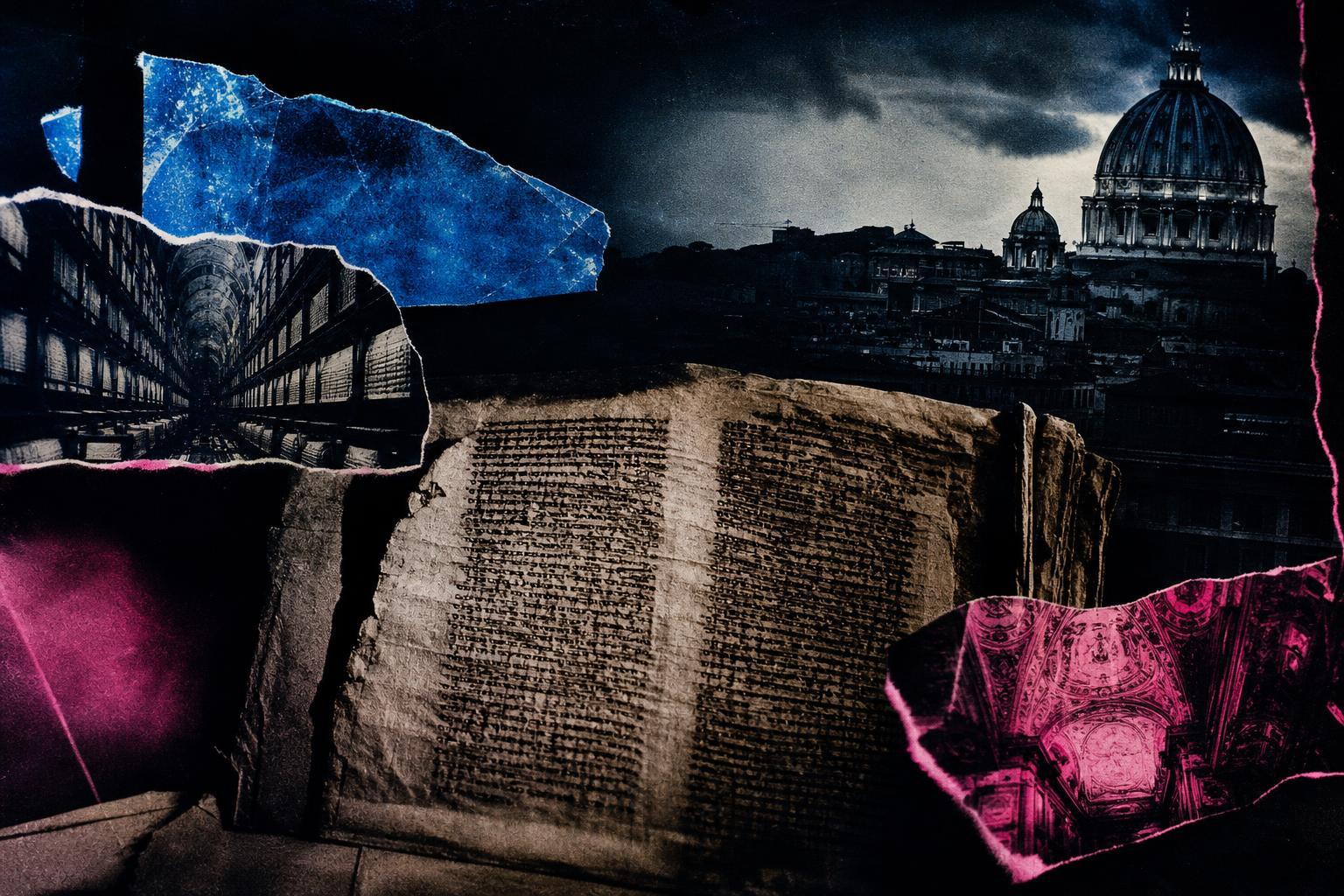
Vatican manuscript Vat. ebr. 1, known as Codex Neofiti 1, is the sole surviving full copy of the Aramaic Palestinian Targum, and it was catalogued as something else entirely until 1956.
The manuscript itself is plain enough. Vat. ebr. 1 is a Hebrew-script Aramaic codex covering the whole Pentateuch, copied in Rome; a colophon in the text gives a date of 1504. It sat in the Vatican Library under that shelfmark for over four centuries, filed as a copy of Targum Onkelos, the standard Babylonian paraphrase used in synagogue liturgy. Nobody flagged the mismatch.
In 1956 the Spanish scholar Alejandro Díez Macho went through it properly and realised the text was not Onkelos at all. It was Palestinian Targum, a looser, more expansive Aramaic paraphrase tradition that elsewhere survives only in scraps: Cairo Genizah fragments, the so-called Fragment Targums, later citations in rabbinic sources. Neofiti 1 is the only place the whole thing exists in one bound book. That is rare.
The grading here is diamond because the claim is checkable, not because the text is flawless or uncontested. DigiVatLib has put up a full IIIF manifest, so anyone can look at every folio without visiting Rome or trusting a middleman’s transcription. Targum scholarship has cross-referenced its readings against the Genizah fragments for decades; the manuscript’s status as Palestinian rather than Onkelos is not in dispute. What remains genuinely debated is how old the underlying tradition behind the text is, with proposals ranging from late Second Temple to much later rabbinic compilation. The copy is 1504. The content inside it is a separate argument.
Worth saying plainly: a major Vatican library held its single most important Targum witness under the wrong label for roughly 450 years. Cataloguing is not scholarship. Somebody eventually read the thing.
Source: The Dig / the Vatican archive source