The Dig · Vatican
Vatican’s oldest near-complete Bible manuscript checks out as genuine
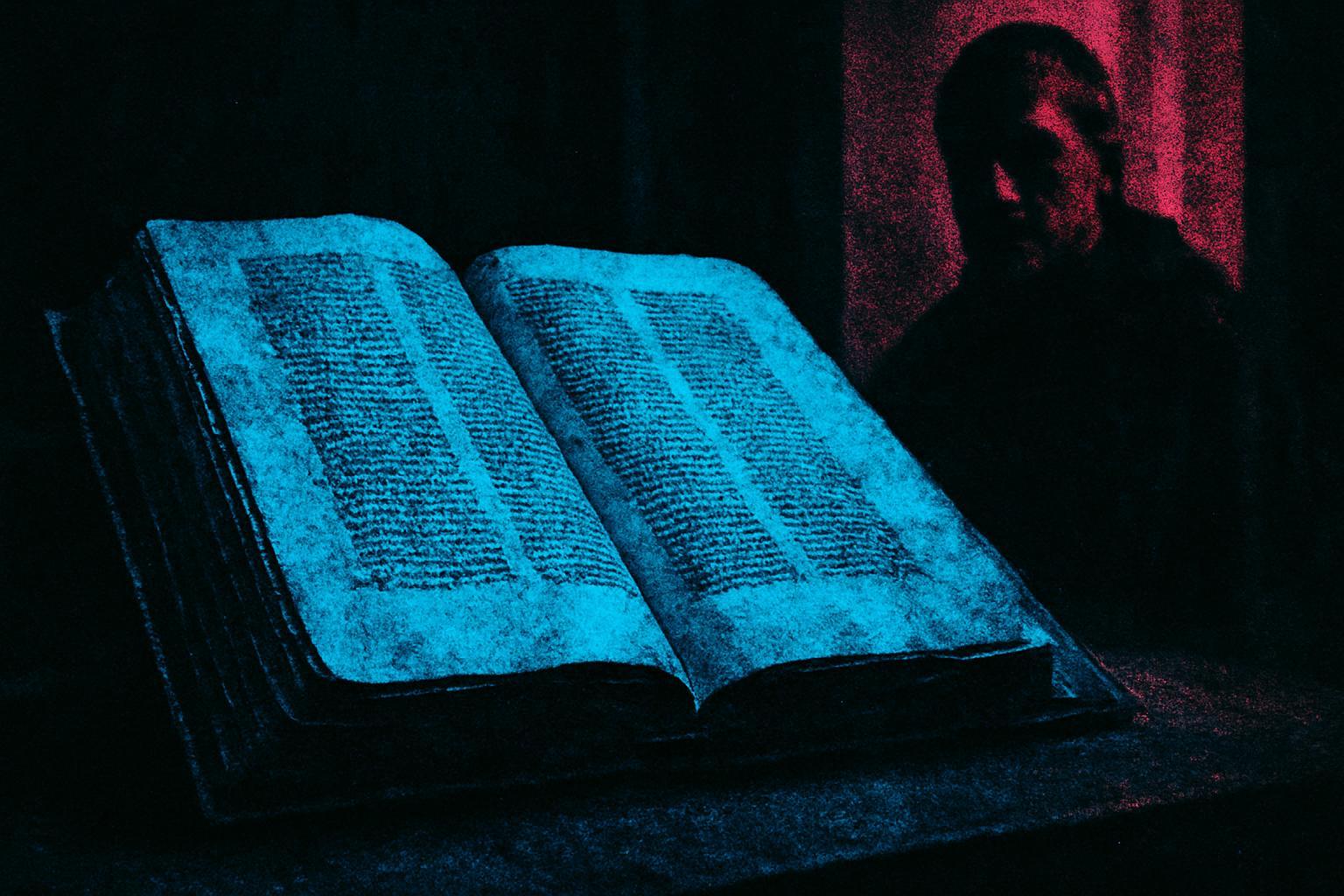
The Vatican Library’s Codex Vaticanus is exactly what the catalogue says it is: a fourth-century Greek Bible, and one of the oldest surviving near-complete copies of both the Septuagint and the New Testament.
DigiVatLib lists Vat.gr.1209 as a fourth-century parchment codex, written in Greek uncials, held in the Vatican Library since at least the 15th century. It contains most of the Septuagint Old Testament and most of the New Testament, though not all of it. Genesis has gaps. Several Psalms are missing. The end of Hebrews, the Pastoral Epistles and Revelation are absent from the original hand and were supplied by a later scribe.
Palaeographers date the script and the vellum to the mid-300s, consistent with the wider window in which large single-volume Bibles start appearing after Constantine legalised Christianity. The letterforms, the ruling of the page, the lack of later decoration, all point the same way. Scholars have cross-checked it against Codex Sinaiticus, a similarly early manuscript now split between London, Leipzig and Sinai. Where the two disagree, textual critics have somewhere to argue; where they agree, that agreement counts for a lot in reconstructing what the earliest readable Greek text looked like.
None of this proves the codex is a straight copy of some single original autograph. It is not. Manuscripts get corrected, patched and occasionally rebound by scribes centuries apart, and Vaticanus carries the marks of that history: later overwriting of faded ink, a 15th-century hand filling the missing final books. Where it came from before it reached Rome is still argued over; Alexandria and Caesarea both have advocates, and the case rests on script style and textual affinities rather than a signed receipt.
What the record supports is narrower and duller than the popular version. This is one of the two or three oldest near-complete Bibles anyone can currently point to, it is digitised and viewable, and it sits in the critical apparatus behind modern editions like Nestle-Aland. That is a real, checkable claim. It is not evidence for a single unbroken chain back to the apostles, and nobody serious in the field is claiming that it is.
Source: The Dig / the Vatican archive source